Have you ever wondered, are feathers in pillows real? It’s a question that pops up when considering the ultimate comfort for sleep. While the image of soft, fluffy feathers might come to mind, the reality of pillow fill materials is far more diverse. This article dives deep into the world of pillow fillings, unraveling the truth about feathers and exploring the plethora of alternatives available today.
Understanding Feather Fillings: Authenticity and Types

Yes, feathers are indeed used in pillows. But not all feather pillows are created equal. The quality and type of feathers used significantly impact the pillow’s comfort, durability, and price.
- Duck Feathers: These are the most common type, offering a balance of softness and support.
- Goose Feathers: Generally considered higher quality, goose feathers are larger and provide superior loft and insulation.
- Down: While often grouped with feathers, down is the soft, fluffy undercoating of waterfowl, offering exceptional warmth and lightness. Down clusters are distinct from feathers.
- Feather-Down Blends: Many pillows combine feathers and down to achieve a specific level of firmness and softness.
The authenticity of feather pillows can be verified through reputable manufacturers and certifications. Look for labels that indicate the percentage of down and feathers used, ensuring transparency and quality.
Beyond Feathers: Exploring Alternative Pillow Fillings
While feather and down pillows remain popular, numerous alternatives cater to diverse needs and preferences. These options address concerns such as allergies, ethical considerations, and specific comfort requirements.
Synthetic Fillings: Hypoallergenic and Affordable
- Polyester Fiberfill: A budget-friendly option, polyester provides a soft, fluffy feel. However, it tends to flatten over time.
- Microfiber: Finer than standard polyester, microfiber offers a smoother texture and better durability.
- Memory Foam: Known for its contouring properties, memory foam adapts to the shape of your head and neck, providing excellent support. Shredded memory foam allows for more customization.
- Gel-Infused Memory Foam: Gel infusions help regulate temperature, preventing overheating during sleep.
Synthetic pillows are often hypoallergenic, making them ideal for individuals with allergies or sensitivities. They also tend to be more affordable than natural fillings.
Natural Fillings: Organic and Sustainable Options
- Latex: A natural rubber, latex offers excellent support and durability. It’s naturally resistant to dust mites and mold.
- Cotton: A breathable and hypoallergenic option, cotton provides a firm and supportive feel. Organic cotton is a sustainable choice.
- Wool: Known for its temperature-regulating properties, wool helps keep you warm in winter and cool in summer. It’s also naturally resistant to dust mites.
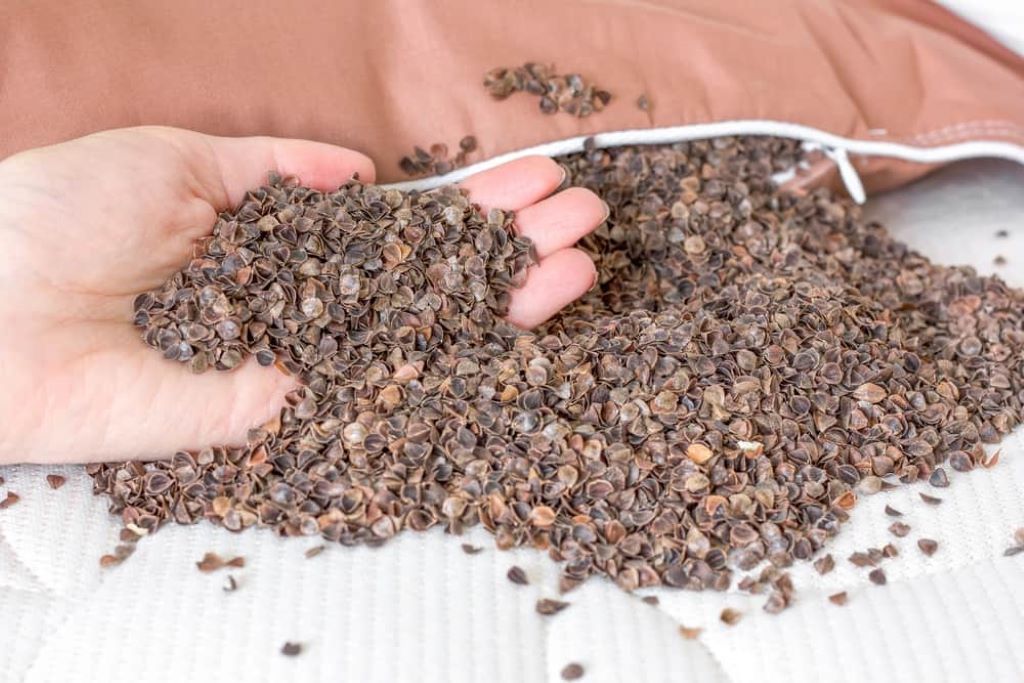
- Buckwheat Hulls: These provide a firm, supportive feel and conform to the shape of your head and neck. They are also breathable and hypoallergenic.
- Kapok: This natural fiber is soft, lightweight, and hypoallergenic. It’s often used in pillows and cushions for a plush feel.
These natural options cater to those seeking eco-friendly and sustainable sleep solutions. They often offer unique benefits in terms of support, temperature regulation, and allergy resistance.
Choosing the Right Pillow Fill: Factors to Consider
Selecting the ideal pillow fill involves considering several factors to ensure optimal comfort and support.
Sleep Position
- Side Sleepers: Require a thicker, firmer pillow to support the neck and align the spine.
- Back Sleepers: Benefit from a medium-thickness pillow that provides support without excessive elevation.
- Stomach Sleepers: Need a thin, soft pillow to minimize neck strain.
Allergies and Sensitivities
- Hypoallergenic fillings like polyester, microfiber, latex, or buckwheat hulls are ideal for allergy sufferers.
- Look for certifications indicating allergen-free materials.
Personal Preferences
- Consider your preferred level of firmness, softness, and temperature regulation.
- Experiment with different fill types to find the perfect match.
Budget
- Feather and down pillows tend to be more expensive than synthetic options.
- Natural fillings like latex and wool may also come at a higher price point.
Maintaining Your Pillow: Longevity and Care
Proper care and maintenance are essential for extending the lifespan of your pillow.
- Regular Fluffing: Fluff your pillow daily to maintain its loft and shape.
- Pillow Protectors: Use pillow protectors to prevent dust mites, stains, and allergens.
- Washing or Cleaning: Follow the manufacturer’s instructions for washing or cleaning your pillow. Feather and down pillows often require professional cleaning.
- Replacing Pillows: Replace your pillow every 1-2 years, or sooner if it shows signs of wear and tear.
The Importance of Quality in Pillow Fillings
The quality of pillow fillings directly impacts your sleep quality. Higher-quality fillings provide better support, durability, and comfort. Investing in a quality pillow can significantly enhance your sleep experience.
Quality Indicators
- Fill Power: For down pillows, fill power indicates the loft and insulation. A higher fill power means better quality.
- Thread Count: For cotton covers, a higher thread count indicates a softer and more durable fabric.
- Certifications: Look for certifications like OEKO-TEX Standard 100, which ensures that the materials are free from harmful substances.
Addressing Common Concerns About Feathers
Some individuals have concerns about using feather pillows due to ethical considerations or allergies.
Ethical Sourcing
- Look for manufacturers that adhere to responsible sourcing practices.
- Certifications like the Responsible Down Standard (RDS) ensure that feathers and down are sourced ethically.
Allergy Management
- Feather and down pillows can trigger allergies in some individuals.
- Consider hypoallergenic alternatives or use pillow protectors to minimize allergen exposure.
Making an Informed Decision
Understanding the various pillow fill materials empowers you to make an informed decision based on your specific needs and preferences. Whether you choose a traditional feather pillow or opt for a modern alternative, prioritizing quality and comfort is key to achieving restful sleep.
Read More Also: Pillows for Pregnant Women with Hip Pain
In conclusion,
are feathers in pillows real?
Absolutely. However, the world of pillow fillings extends far beyond feathers, offering a diverse range of options to cater to every individual. By considering your sleep position, allergies, preferences, and budget, you can find the perfect pillow to enhance your sleep quality.
Call to Action: Ready to experience the difference a quality pillow can make? Explore our selection of premium pillow fillings today and discover the perfect match for your sleep needs. Shop now and transform your sleep experience!
Read More:
The Ultimate Guide to Buckwheat Hull Pillows for Adjustable Firmness
What Are the Different Types of Pillow Fills and Their Benefits?