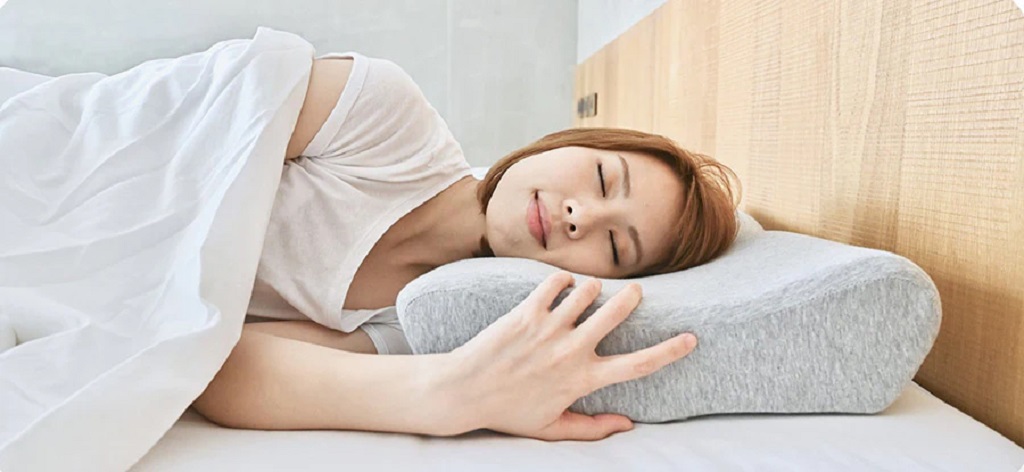
Finding true relaxation in today’s fast-paced world can feel nearly impossible. However, the right supportive tools can transform your downtime into genuinely restorative moments. Bolsters and pillows serve as essential accessories for full-body relaxation techniques, offering comfort and proper alignment that standard cushions simply cannot provide.
These specialized support tools have gained popularity among yoga practitioners, physical therapists, and anyone seeking deeper relaxation. Additionally, they address common discomfort areas that prevent people from fully unwinding. Understanding how to use bolsters and pillows effectively can significantly enhance your relaxation practice and overall wellbeing.
Understanding Bolsters and Their Benefits
Bolsters are firm, elongated cushions designed specifically for body support during relaxation and yoga practices. Unlike regular pillows, they maintain their shape under pressure, providing consistent support throughout extended periods of rest. Therefore, they prove particularly valuable for restorative practices that require sustained positions.
The primary advantage of bolsters lies in their ability to support natural body curves. They elevate specific body parts, allowing muscles to release tension without strain. Furthermore, bolsters come in various shapes including cylindrical, rectangular, and pranayama styles, each serving different relaxation needs.
Many physical therapists recommend bolsters for individuals recovering from injuries or managing chronic pain. The proper support helps reduce pressure on sensitive areas while promoting healthy spinal alignment. Consequently, people who incorporate bolsters into their relaxation routines often report decreased discomfort and improved sleep quality.
Types of Pillows for Targeted Relaxation
Specialized relaxation pillows differ significantly from standard bed pillows in both design and function. Memory foam contour pillows adapt to your body’s unique shape, providing customized support for neck and head alignment. Meanwhile, wedge pillows offer angled elevation that benefits circulation and breathing during rest.
Knee pillows deserve special attention for side sleepers and those with lower back concerns. Placing a pillow between the knees maintains proper hip alignment and reduces spinal stress. Additionally, this simple adjustment often eliminates the tossing and turning that disrupts relaxation sessions.
Body pillows provide full-length support that many people find indispensable for complete relaxation. These elongated cushions support multiple pressure points simultaneously, creating a cocooned sensation that promotes feelings of security and comfort. According to research on sleep quality and support, proper pillow selection significantly impacts relaxation outcomes and overall rest quality.
Full-Body Relaxation Techniques Using Bolsters
Restorative yoga poses utilizing bolsters offer profound relaxation benefits accessible to practitioners of all levels. The supported child’s pose involves placing a bolster lengthwise beneath your torso while kneeling, allowing complete surrender of upper body weight. This position gently opens the hips while supporting the spine in a naturally curved position.
Supported bridge pose demonstrates another effective technique where a bolster placed under the sacrum elevates the hips. This gentle inversion improves circulation while releasing tension in the lower back and legs. Moreover, this position can be maintained comfortably for several minutes, maximizing relaxation benefits.
The reclining bound angle pose becomes deeply restorative when a bolster supports the spine from head to tailbone. Additional pillows under the knees reduce hip strain, creating a comfortable position that opens the chest and promotes diaphragmatic breathing. Practitioners often report feeling completely supported, allowing mental and physical tension to dissolve naturally.
Combining Pillows for Enhanced Comfort
Strategic pillow placement creates customized support systems for various relaxation positions. For back-lying relaxation, place a bolster under the knees to reduce lower back pressure while a smaller pillow supports the head and neck. This arrangement maintains the spine’s natural curves without creating strain.
Side-lying positions benefit from multiple pillow support as well. Position one pillow between the knees, another supporting the head at proper height, and a body pillow or bolster along the front torso. This comprehensive support prevents the top shoulder from rolling forward and maintains spinal alignment throughout the relaxation session.
Seated meditation becomes more sustainable with proper cushion support. A firm bolster elevates the hips above the knees, reducing strain on the lower back and allowing for longer, more comfortable sitting periods. Therefore, practitioners can focus on breathing and mindfulness rather than physical discomfort.

Materials and Firmness Considerations
Bolster and pillow materials significantly affect their performance and longevity. Natural materials like cotton and buckwheat offer breathability and sustainable options, though they may require more frequent reshaping. Conversely, synthetic fills like memory foam and polyester maintain their shape longer but may retain more heat.
Firmness preferences vary based on individual needs and intended uses. Firmer bolsters provide more substantial support for active stretching and yoga poses, while softer options suit gentle relaxation and sleep support. Additionally, some practitioners keep multiple firmness levels on hand for different techniques.
Cover materials deserve consideration as well. Removable, washable covers in breathable fabrics maintain hygiene and comfort. Many quality bolsters feature covers with handles, making repositioning easier during relaxation sessions. The Cleveland Clinic notes that proper support during rest and sleep plays a crucial role in musculoskeletal health and pain management.
Creating Your Personal Relaxation Space
Designating a specific area for relaxation practices enhances their effectiveness. Choose a quiet corner with minimal distractions where you can leave your bolsters and pillows readily accessible. This dedicated space signals to your mind that relaxation is a priority, making it easier to establish consistent practices.
Ambient elements complement your supportive cushions in creating an optimal relaxation environment. Soft lighting, calming colors, and pleasant aromatherapy scents work synergistically with physical comfort tools. Furthermore, keeping the space tidy and inviting encourages regular use of your relaxation techniques.
Temperature control matters more than many people realize. Ensure your relaxation space maintains comfortable warmth, as cold muscles resist releasing tension. Consider keeping a light blanket nearby to maintain body heat during extended relaxation sessions with your bolsters and pillows.
Progressive Relaxation Techniques
Body scan meditation combines beautifully with bolster support for deep relaxation. Begin in a supported supine position and systematically focus attention on each body part, consciously releasing tension as you breathe. The stable support from properly placed cushions allows complete muscular release without balance concerns.
Breath-focused relaxation amplifies when physical discomfort no longer interrupts concentration. Supported positions enable sustained practice of techniques like alternate nostril breathing or extended exhalations. Consequently, practitioners achieve deeper relaxation states more quickly and maintain them longer.
Visualization exercises gain power when combined with optimal physical comfort. Imagine tension melting away from each supported body part, flowing into the cushions beneath you. This mental imagery reinforces the physical relaxation your bolsters and pillows facilitate, creating a comprehensive mind-body experience.
Maintenance and Care for Longevity
Proper maintenance extends the life of your relaxation tools significantly. Regularly air out bolsters and pillows to prevent moisture accumulation and maintain freshness. Most quality products feature removable covers that should be washed monthly or as needed according to use frequency.
Fluffing and reshaping pillows after each use helps them maintain their supportive properties. For bolsters, rotating them periodically ensures even wear across all surfaces. Additionally, inspect seams and covers regularly for signs of wear, addressing small issues before they become major problems.
Storage considerations protect your investment when items are not in use. Keep bolsters and pillows in dry, well-ventilated areas away from direct sunlight, which can degrade certain materials over time. Proper storage maintains hygiene and readiness for your next relaxation session.
Conclusion
Bolsters and pillows transform ordinary relaxation attempts into genuinely restorative experiences through targeted support and proper alignment. These specialized tools address the physical barriers that often prevent complete muscular and mental release. By understanding different types, materials, and application techniques, you can create personalized relaxation practices that meet your specific needs.
Investing in quality support cushions and learning to use them effectively pays dividends in reduced stress, decreased pain, and improved overall wellbeing. The techniques outlined here provide a foundation for exploring full-body relaxation, but individual experimentation reveals what works best for your unique body and preferences. Therefore, approach your practice with curiosity and patience as you discover the profound benefits these simple tools can provide.
Frequently Asked Questions
What is the difference between a bolster and a regular pillow?
Bolsters are firmer and maintain their shape under body weight, providing consistent support during yoga and relaxation practices. Regular pillows are softer and compress more easily, making them better for sleeping but less effective for maintaining specific body positions during relaxation techniques.
How many bolsters or pillows do I need for effective relaxation?
Most people find that one bolster and two or three supportive pillows meet their basic relaxation needs. However, this varies based on your preferred techniques and body size. Starting with essential pieces and adding more as you discover your preferences is a practical approach.
Can bolsters help with chronic back pain?
Many people with chronic back pain find relief using bolsters for proper spinal support during rest and gentle stretching. However, bolsters are supportive tools rather than medical treatments. Consult with a healthcare provider about incorporating bolsters into a comprehensive pain management approach.
What firmness level should I choose for relaxation bolsters?
Medium-firm bolsters work well for most people and relaxation techniques. If you primarily use bolsters for gentle restorative poses, a softer option may feel more comfortable. For more active stretching or if you have a larger body frame, firmer bolsters provide better support.
How often should I replace my bolsters and relaxation pillows?
Quality bolsters typically last three to five years with regular use and proper care. Replace them sooner if they lose shape, develop lumps, or no longer provide adequate support. Pillows generally need replacement every one to two years, depending on materials and use frequency.
Related Topics:
Anti-Snore Pillows: Do They Really Work and Which Type is Best?
Is a Higher or Lower Pillow Better for Neck Pain? The Ultimate Guide to Sleep and Health Tips