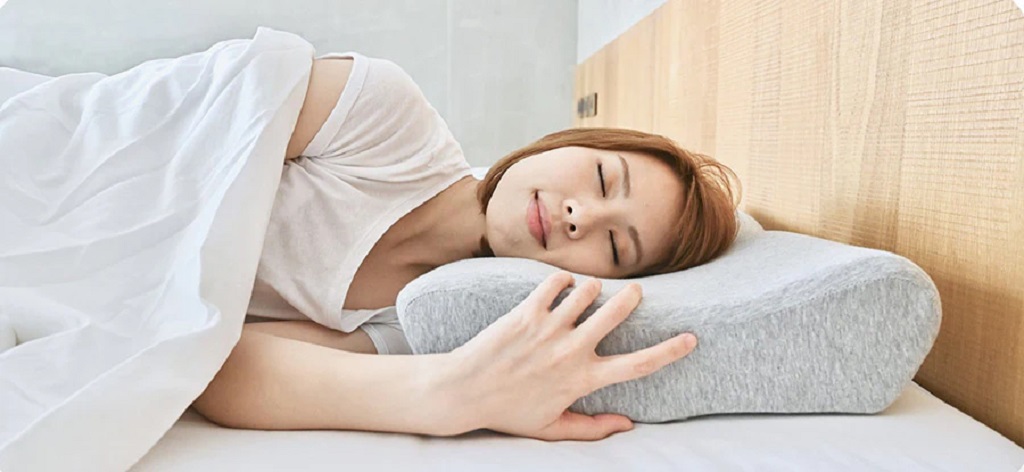
Sleep is one of the most critical factors in maintaining overall health, yet many people overlook its importance when it comes to managing neck pain. One of the most common culprits behind persistent neck discomfort is an improperly chosen pillow. But how do you know whether a higher or lower pillow is better for your neck pain? This article dives deep into the science of sleep posture, the role of pillows in spinal alignment, and actionable tips to improve your sleep quality while safeguarding your neck health.
Understanding Neck Pain and Its Connection to Sleep
Neck pain is more than just a nuisance; it can significantly impact your daily life. Whether it’s caused by poor posture during the day, stress, or improper sleeping positions, neck pain often worsens at night due to inadequate support. The human neck consists of seven cervical vertebrae that require proper alignment to prevent strain on muscles, ligaments, and nerves. When your pillow doesn’t provide the right level of support, it forces your neck into awkward angles, leading to stiffness, soreness, and even chronic pain over time.
The key to alleviating neck pain lies in understanding how your sleeping position interacts with your pillow height. For instance, side sleepers typically need a firmer, taller pillow to fill the gap between their shoulder and head, whereas back sleepers benefit from a medium-height pillow that keeps the natural curve of the neck intact. Stomach sleepers, however, may find relief with thinner pillows—or none at all—to avoid hyperextending the neck.
The Science Behind Pillow Height and Spinal Alignment
When choosing a pillow, the goal is to maintain neutral spinal alignment. Neutral alignment means keeping your spine straight from the base of your skull down to your tailbone. A pillow that’s too high can push your head forward, causing your neck to bend unnaturally and compressing the airways, which might lead to snoring or sleep apnea. On the other hand, a pillow that’s too low fails to support the natural curvature of your neck, resulting in muscle tension and discomfort.
For side sleepers, a higher pillow helps bridge the space between the ear and the outer edge of the shoulder, ensuring the spine remains aligned. Back sleepers, meanwhile, should opt for a pillow that cradles the neck without elevating the head excessively. Stomach sleepers face unique challenges because this position inherently strains the neck, but using a very thin pillow or no pillow at all can minimize the risk of waking up with a stiff neck.
Pros and Cons of High vs. Low Pillows
High Pillows:
- Pros: Ideal for side sleepers as they offer ample support to keep the spine aligned. They also help reduce snoring by slightly tilting the head backward.
- Cons: Can cause neck hyperextension if too high, leading to stiffness and restricted blood flow. Not suitable for stomach or back sleepers.
Low Pillows:
- Pros: Perfect for stomach sleepers who need minimal elevation to prevent neck strain. Also beneficial for back sleepers who prefer a gentler slope.
- Cons: May not provide enough support for side sleepers, potentially leaving the neck unsupported and misaligned.
Choosing the right pillow height ultimately depends on your preferred sleeping position and personal comfort preferences. However, investing in an adjustable pillow allows you to experiment with different heights until you find what works best for your body.

Social Media’s Role in Shaping Pillow Choices and Sleep Trends
In today’s digital age, social media platforms like Instagram, TikTok, and Pinterest have become powerful influencers in shaping consumer behavior—including decisions about sleep products. From viral videos showcasing ergonomic pillows to influencer reviews touting the benefits of memory foam versus down alternatives, social media has transformed how people research and purchase bedding essentials.
On the positive side, these platforms provide access to diverse perspectives and expert advice. For example, hashtags like #SleepTips or #NeckPainRelief allow users to discover content tailored to their specific needs. Influencers often share personal stories about overcoming sleep issues, making them relatable and trustworthy sources of information.
However, there are downsides to relying solely on social media for guidance. Misinformation can spread quickly, especially when unqualified individuals promote products without scientific backing. Additionally, the pressure to conform to trending items (like ultra-plush pillows) may lead consumers to make purchases that don’t suit their individual requirements.
Reviews: What Real Users Are Saying About Pillow Heights
To gain further insight, let’s examine some real-world feedback from users who’ve experimented with both high and low pillows:
- Sarah T., Side Sleeper: “I switched to a higher contour pillow after years of waking up with neck pain. It made such a difference! My neck feels supported, and I no longer wake up feeling stiff.”
- James L., Back Sleeper: “A lower pillow worked wonders for me. I used to use a thick pillow, but it pushed my chin toward my chest, causing headaches. Now I feel much more comfortable.”
- Emily R., Stomach Sleeper: “I ditched my regular pillow entirely and started using a flat travel pillow instead. It’s been a game-changer for reducing morning neck pain.”
These testimonials highlight the importance of finding a solution that aligns with your unique sleeping habits and physical needs.
Read More: Are Feather Pillows Good for Neck Pain?
Frequently Asked Questions (FAQs)
Q: Can switching pillows really cure my neck pain?
A: While a supportive pillow can alleviate symptoms, it’s essential to address underlying causes of neck pain, such as poor posture or pre-existing conditions. Consult a healthcare professional for persistent issues.
Q: Should I invest in an expensive pillow?
A: Price isn’t always indicative of quality. Focus on materials and design rather than brand names. Look for pillows designed specifically for your sleeping position.
Q: How often should I replace my pillow?
A: Most experts recommend replacing pillows every 1-2 years, depending on wear and tear. Over time, pillows lose their shape and supportiveness.
Q: Are memory foam pillows better for neck pain?
A: Memory foam conforms to the shape of your head and neck, offering excellent support. However, it’s not suitable for everyone, as some people find it too firm or hot.
Additional Sleep and Health Tips for Neck Pain Relief
Beyond selecting the right pillow, incorporating healthy sleep practices can enhance your overall well-being and reduce neck pain. Here are a few tips:
- Maintain Proper Posture During the Day: Slouching at work or looking down at your phone for extended periods contributes to neck strain. Practice good posture to prevent exacerbating nighttime discomfort.
- Stretch Before Bed: Gentle stretches targeting the neck and upper back can loosen tight muscles and prepare your body for restful sleep.
- Invest in a Supportive Mattress: A sagging mattress can undermine even the best pillow. Ensure your bed provides adequate support for your entire body.
- Limit Screen Time Before Bed: Blue light exposure disrupts sleep patterns, making it harder to achieve deep, restorative sleep.
- Stay Hydrated: Dehydration can cause muscle cramps and stiffness, including in the neck area. Drink plenty of water throughout the day.
By combining these strategies with the right pillow choice, you’ll be well on your way to enjoying pain-free nights and energized mornings.
Conclusion: Finding Your Perfect Pillow Fit
Deciding whether a higher or lower pillow is better for neck pain requires careful consideration of your sleeping position, personal preferences, and lifestyle factors. While social media offers valuable insights and inspiration, it’s crucial to prioritize evidence-based recommendations and listen to your body’s signals. Remember, the ideal pillow isn’t just about height—it’s about creating harmony between comfort, support, and alignment.
So, the next time you’re shopping for a pillow, take the time to test different options and consult trusted resources. With the right combination of knowledge and experimentation, you can bid farewell to neck pain and embrace the rejuvenating power of a good night’s sleep.
Read More: Travel Pillows for Neck Pain Relief: Tips for Comfortable Journeys