
A restful night’s sleep starts long before you close your eyes. It begins in your environment—particularly, your bedroom. Research from the CDC reveals that one in three adults doesn’t get enough sleep, often due to poor sleep environments and disruptive habits. Optimizing your space and routine can dramatically impact your sleep quality. This guide explores how to create a sleep-friendly bedroom with effective bedding choices and transformative lifestyle tips backed by science and experience.
Why Your Sleep Environment Matters
Your brain associates your bedroom with sleep. When that space is cluttered, noisy, or uncomfortable, it sends the wrong signals. According to the National Sleep Foundation, the ideal bedroom should be dark, cool, quiet, and comfortable. These factors help regulate melatonin production, the hormone that controls your sleep-wake cycle.
Bedding: The Foundation of Comfort
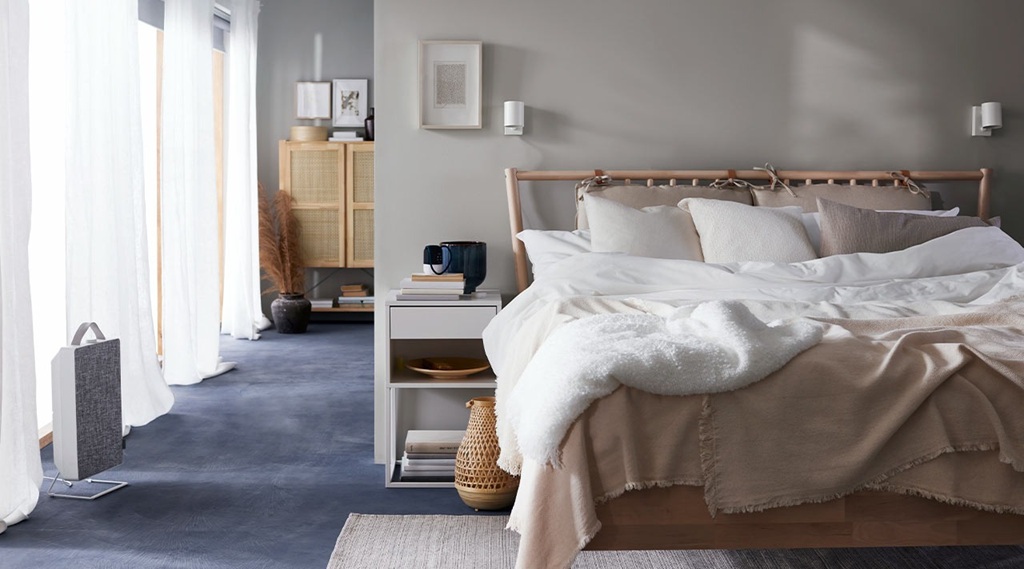
A mattress and pillow aren’t just bedroom accessories—they are sleep tools. The Sleep Foundation emphasizes that mattresses over 7–10 years old lose their supportive structure, leading to poor posture and back pain. Investing in the right bedding dramatically improves sleep quality.
Key Bedding Essentials:
- Mattress: Choose a mattress based on your sleeping position. Side sleepers need softer support, while back sleepers benefit from firmer surfaces.
- Pillows: Replace pillows every 1–2 years. Look for memory foam or latex for better neck alignment.
- Sheets and Blankets: Opt for breathable fabrics like cotton or bamboo. Avoid polyester as it traps heat and can cause night sweats.
A 2023 review published by Sleep Health found that sleepers using high-quality bedding reported 70% better sleep satisfaction. Additionally, temperature-regulating sheets were especially beneficial for those experiencing menopausal hot flashes or night sweats.
Mastering Bedroom Temperature and Lighting
The ideal bedroom temperature lies between 60°F and 67°F. Anything higher can lead to restless tossing and turning. Sleep expert Dr. Matthew Walker explains that your body needs to drop its core temperature to initiate sleep. A cooler room supports that process naturally.
Also, darkness is your best friend. Blackout curtains or eye masks help eliminate light pollution. Even dim light can suppress melatonin by more than 50%, according to Harvard researchers. Consider dimmable warm LED lights if total darkness isn’t possible.
Expert Tip: Use smart bulbs with a timer function. Program them to dim an hour before bedtime to mimic sunset and prompt melatonin release.
Sound and Scent: Overlooked Sleep Boosters
Noise is another major sleep disruptor. A study published in the Journal of Clinical Sleep Medicine found that continuous noise—even low-frequency hums—reduces deep sleep phases. White noise machines or apps can help by masking disruptive sounds.
Aromatherapy is a rising trend in sleep hygiene. Lavender and chamomile essential oils have sedative effects. Inhaling them for 30 minutes before sleep improves relaxation and reduces sleep onset latency, according to a meta-analysis from the Evidence-Based Complementary and Alternative Medicine journal.
Lifestyle Changes to Support Sleep
A cozy bedroom is only part of the solution. What you do during the day plays a huge role. Late caffeine intake, screen time, and irregular sleep schedules are major culprits behind poor sleep.
Consistent Sleep Schedule
Stick to a regular sleep-wake cycle, even on weekends. Your body’s internal clock thrives on routine. A 2018 study from Harvard Medical School revealed that irregular sleep schedules lead to lower academic performance and reduced alertness.
Digital Detox Before Bed
Avoid screens for at least an hour before sleeping. Blue light disrupts melatonin production and tricks your brain into staying alert. Use blue-light blocking glasses or apps like f.lux to reduce exposure if screen use is unavoidable.
Limit Late-Night Stimulants
Avoid caffeine, nicotine, and heavy meals in the evening. The American Academy of Sleep Medicine suggests avoiding stimulants after 2 p.m. Even alcohol, often mistaken for a sleep aid, reduces REM sleep and increases nighttime awakenings.
Cleanliness and Minimalism Matter
A cluttered room creates mental unrest. The Sleep Foundation confirms that individuals sleeping in clean rooms with made beds are 19% more likely to enjoy quality sleep. Declutter regularly and keep your bedroom free from unnecessary electronics and work-related items.
Expert Tip: Invest in under-bed storage or floating shelves. They maximize space while maintaining a clean, minimal look.
The Psychology of Color and Design
The color scheme of your bedroom influences your sleep. Cool tones like soft blues, greens, and grays evoke calmness and relaxation. Avoid bright reds or oranges, as they stimulate alertness. Additionally, soft lighting and natural textures like wood or linen contribute to a serene atmosphere.
Plants for Cleaner Air and Relaxation
Indoor plants like snake plants, aloe vera, and lavender not only purify the air but also reduce stress. NASA’s Clean Air Study supports the use of certain plants to improve indoor air quality—a factor linked to better sleep.
Featured Snippet: What’s the Best Way to Create a Sleep-Friendly Bedroom Fast?
To quickly create a sleep-friendly bedroom, focus on four essentials: clean bedding, cool temperatures, darkness, and minimal noise. Start by upgrading your mattress and switching to breathable, temperature-regulating sheets. Set your thermostat to 65°F, and use blackout curtains to eliminate external light. Add a white noise machine or soft music to drown out background noise. Avoid screens and caffeine before bedtime to complement the calming environment. Within days, these small changes can dramatically enhance sleep quality.
Professional Tip: Use calming essential oils like lavender on your pillowcase and keep electronics out of the bedroom to preserve your natural sleep rhythm.
FAQs
How often should I replace my mattress and pillow?
Every 7–10 years for mattresses and every 1–2 years for pillows, depending on wear and hygiene.
What’s the best bedding material for hot sleepers?
Bamboo and cotton sheets are breathable, moisture-wicking, and ideal for temperature regulation.
Can room color really affect sleep?
Yes. Soft, cool-toned colors like blue and green promote relaxation and reduce nighttime anxiety.
Are sleep tracking apps helpful?
They can be. Apps like Sleep Cycle provide insights into sleep stages and patterns, helping adjust your routine.
What scent is best for sleep?
Lavender is the most studied and consistently shown to promote sleep and relaxation.
Do blackout curtains really work?
Yes. They block artificial and natural light, helping your body maintain melatonin production.
How can I make my bedroom quieter at night?
Use rugs, heavy curtains, and white noise machines to dampen external and internal noise.
Read More Also: Must-Have Bedding Accessories for a Cozy and Stylish Bedroom
Final Thought
Creating a sleep-friendly bedroom is one of the smartest wellness decisions you can make. With strategic bedding choices and supportive lifestyle changes, better sleep isn’t a dream—it’s your new reality. You don’t need a full renovation. Focus on comfort, consistency, and calmness. The results will follow you into every aspect of your life—boosting productivity, mood, and long-term health.
Ready to sleep better tonight? Start by changing your sheets, setting the thermostat, and turning off your phone. Simple, powerful, effective.