
The pillow market in the USA is growing steadily. More people are paying attention to sleep health. This is pushing demand for better, more specialized pillows. From memory foam to organic cotton, consumers now expect more from their bedding choices. This article explores the full picture of the U.S. pillow industry, from its current size to what lies ahead in 2026.
Overview of the U.S. Pillow Market
The U.S. pillow market is a significant segment of the broader home textile and bedding industry. Valued at approximately $2.8 billion in 2024, the market has shown consistent growth over the past five years. Analysts project it will reach close to $3.4 billion by the end of 2026. This growth reflects a wider shift toward wellness-focused living and sleep optimization.
Consumers are no longer buying pillows just for comfort. They are investing in products that support spinal alignment, reduce allergies, and improve sleep quality. Therefore, the market has evolved from a commodity-driven space to a premium product category.
Market Size and Growth Rate
The table below provides a snapshot of the U.S. pillow market’s financial trajectory from 2022 to 2026.
| Year | Estimated Market Value (USD Billion) | Growth Rate (YoY) |
| 2022 | 2.4 | 4.5% |
| 2023 | 2.6 | 5.2% |
| 2024 | 2.8 | 5.8% |
| 2025 | 3.1 | 6.2% |
| 2026 | 3.4 (projected) | 6.5% |
The compound annual growth rate (CAGR) for the period 2022–2026 is estimated at around 5.8%. This is a strong indicator of sustained consumer interest and market expansion. Additionally, the rise of e-commerce has made premium pillow brands more accessible to buyers across all income levels.
Types of Pillows in the U.S. Market
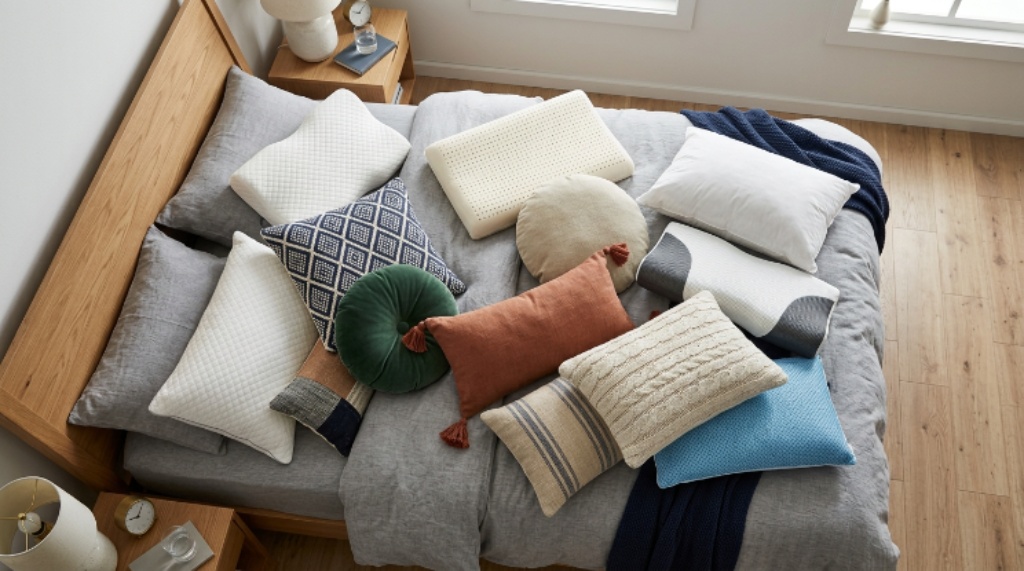
The U.S. pillow market is highly diverse. Manufacturers produce products for different sleeping positions, health needs, and price points. Understanding the types helps explain demand patterns across various segments.
Memory Foam Pillows
Memory foam pillows are among the most popular choices in the United States. They conform to the shape of the head and neck, offering personalized support. These pillows are especially favored by people with neck pain or sleep apnea. Their durability and support features justify a higher price point, typically ranging from $30 to $150.
Down and Feather Pillows
Down pillows remain a classic option for luxury seekers. They are soft, lightweight, and breathable. However, they may not offer the same level of support as foam-based options. Consumers who prioritize comfort over firmness tend to choose down or feather-filled pillows. These are also common in upscale hotels across the country.
Latex Pillows
Latex pillows are gaining traction due to their natural origins and durability. They offer firm support and resist dust mites, making them a smart choice for allergy sufferers. Natural latex pillows are also popular among environmentally conscious buyers who prefer sustainable materials.
Cooling and Gel Pillows
Cooling pillows have seen a surge in demand, particularly in warmer states. They use gel-infused foam or breathable fabric covers to regulate temperature during sleep. Additionally, these pillows appeal to people who experience night sweats or hot flashes.
Organic and Eco-Friendly Pillows
Sustainability is influencing buying behavior across all consumer goods, and pillows are no exception. Organic cotton, bamboo-derived fillings, and certified natural materials are now prominent selling points. The organic pillow segment is growing faster than the overall market, driven by younger, eco-aware consumers.
Specialty and Therapeutic Pillows
This category includes cervical pillows, wedge pillows, body pillows, and pregnancy pillows. Demand in this segment is driven largely by healthcare recommendations and specific physiological needs. The aging U.S. population is a key driver here, as older adults increasingly seek therapeutic bedding solutions.
Key Demand Drivers
Several factors are fueling the growth of the U.S. pillow market. Understanding these drivers helps forecast where the market is headed.
Growing Focus on Sleep Health
Americans are becoming more aware of how sleep affects overall health. According to public health data, poor sleep is linked to chronic conditions such as obesity, diabetes, and cardiovascular disease. As a result, people are investing more in sleep accessories, including high-quality pillows.
Rise of the Wellness Industry
The wellness economy in the U.S. is worth hundreds of billions of dollars. Pillows are increasingly marketed as wellness products rather than basic household items. This shift is bringing premium products into the mainstream and raising average transaction values.
Increase in Home Ownership and Renovation
More Americans are investing in home improvements, particularly after significant shifts in remote work patterns. Bedroom upgrades have become a priority for many households. This trend has directly boosted the demand for quality bedding products.
E-Commerce Expansion
Online shopping has transformed how consumers discover and purchase pillows. Brands that would have struggled to reach national audiences through traditional retail are now thriving online. Customer reviews, sleep trial periods, and easy returns have reduced the hesitation people once had about buying pillows online.
Hospitality Sector Recovery
Hotels, resorts, and short-term rental properties are significant buyers of pillows. As the U.S. hospitality sector continues its post-pandemic recovery, bulk orders from this segment have added considerable demand to the market.
Key Market Trends
The U.S. pillow market is not static. It is shaped by evolving consumer preferences, technological innovation, and cultural shifts.
Smart Sleep Technology Integration
Some manufacturers are experimenting with pillows that include embedded sensors or heating elements. These smart pillows can track sleep patterns, adjust firmness, or provide gentle vibrations to reduce snoring. While still a niche segment, smart pillows represent the future direction of the industry.
Customization and Personalization
Consumers increasingly want products tailored to their preferences. Adjustable pillows, where users can add or remove fill to change firmness, are becoming more popular. Several brands now offer pillow quiz tools on their websites to match customers with the right product.
Subscription and Direct-to-Consumer Models
Many newer pillow brands operate on direct-to-consumer (DTC) models. This allows them to offer competitive pricing, free trials, and personalized customer service. Some companies also offer subscription models where pillows are replaced on a scheduled basis, ensuring freshness and hygiene.
Sustainable Packaging and Manufacturing
Environmental responsibility now extends beyond the product itself. Brands are adopting recyclable packaging, carbon-neutral manufacturing, and transparent supply chains. These commitments are influencing purchasing decisions, especially among millennials and Gen Z consumers.
Key Players in the U.S. Pillow Market
The U.S. pillow market includes a mix of long-established manufacturers and newer, digitally native brands.
| Company | Type | Notable Products |
| Tempur-Pedic | Premium brand | Memory foam and hybrid pillows |
| Coop Home Goods | DTC brand | Adjustable shredded foam pillows |
| MyPillow | Mass-market brand | Machine-washable interlocking foam |
| Casper | DTC/Mattress brand | Snow Pillow, Down Pillow |
| Purple | Innovation-focused | Grid-based hyperelastic polymer pillows |
| Pacific Coast Feather Co. | Legacy manufacturer | Down and feather products |
| Sleep Number | Tech-integrated brand | Smart sleep accessories |
| Saatva | Luxury DTC | Organic latex and down pillows |
These companies compete on price, materials, innovation, and brand positioning. The market is competitive, but there is still room for growth, especially in the specialty and eco-friendly segments.
Regional Demand Patterns
Demand for pillows is not uniform across the United States. Regional differences in climate, income levels, and lifestyle preferences influence buying behavior.
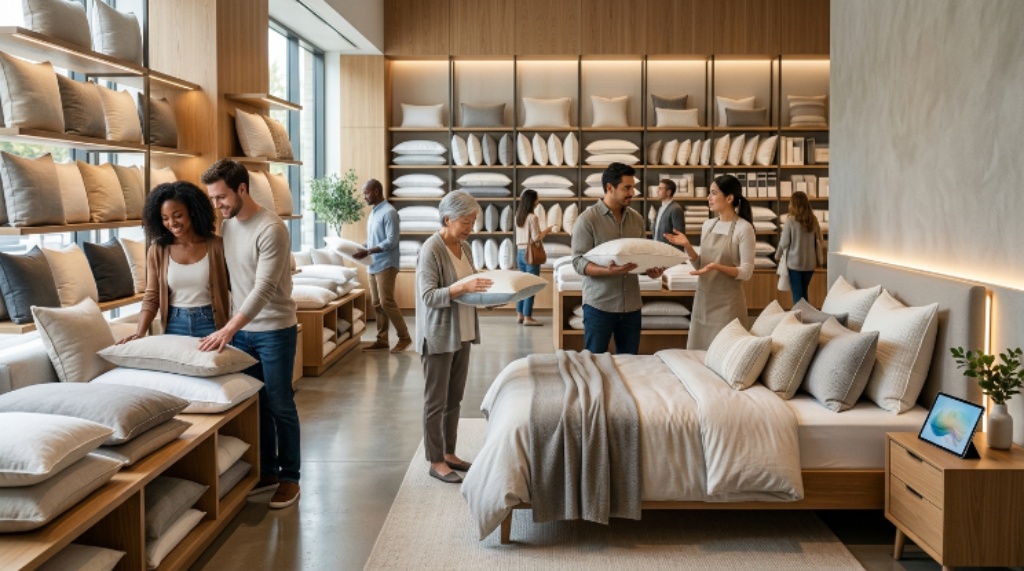
The Northeast and West Coast tend to show higher demand for premium and eco-friendly products. Consumers in these regions generally have higher disposable incomes and stronger environmental awareness. The South, particularly Texas and Florida, shows strong demand for cooling pillows due to the warm climate. Meanwhile, the Midwest and rural markets remain more price-sensitive, favoring mid-range and standard products.
Challenges Facing the Market
Despite its positive growth trajectory, the U.S. pillow market faces several challenges.
Supply chain disruptions continue to affect raw material availability and production timelines. Foam, cotton, and down materials have all experienced price volatility in recent years. Additionally, the market is becoming increasingly crowded, with dozens of new brands entering each year. Standing out requires heavy investment in marketing and product development.
Consumer education is another challenge. Many buyers still base their decisions on price alone, without considering factors like sleep position, allergies, or material safety. Brands must invest in educational content to guide better purchasing choices.
2026 Outlook
The outlook for the U.S. pillow market in 2026 is optimistic. Several macro-level trends support continued growth. The wellness movement shows no signs of slowing down. Sleep health awareness is becoming part of mainstream healthcare conversations. Additionally, the hospitality sector is expected to continue expanding, adding institutional demand to the market.
Technology integration will likely become more common. Smart pillows may move from niche to mainstream as wearable health tech becomes more widely adopted. Sustainability will also become a baseline expectation rather than a premium feature.
Furthermore, the direct-to-consumer channel will continue to grow. More brands will invest in digital marketing, influencer partnerships, and personalized shopping experiences. The ability to offer sleep trials and easy returns will remain a strong competitive advantage.
Overall, the U.S. pillow market is expected to surpass $3.4 billion by the end of 2026, with sustained double-digit growth in the premium and specialty segments.
Conclusion
The U.S. pillow market is in a period of healthy and meaningful growth. It is being shaped by a broad shift toward wellness, sustainability, and personalized comfort. Memory foam, cooling, latex, and organic options are all seeing strong demand. Key players range from legacy manufacturers to innovative DTC brands, each competing on quality, materials, and customer experience.
The market’s growth is supported by strong consumer spending, the hospitality sector’s recovery, and the expanding role of e-commerce. However, challenges such as supply chain volatility and market saturation remain. Looking ahead to 2026, the market is well-positioned to grow further, driven by technological innovation and a consumer base that is more informed and health-conscious than ever before.
Frequently Asked Questions (FAQs)
1. What is the current size of the U.S. pillow market?
The U.S. pillow market reached approximately $2.8 billion in 2024. Analysts project the market will reach around $3.4 billion by the end of 2026, driven by rising demand for premium and specialty sleep products.
2. Which type of pillow is most popular in the United States?
Memory foam pillows are among the most widely used in the USA. They offer personalized support and are recommended for people with neck and back issues. Down pillows remain popular in the luxury segment.
3. Who are the leading companies in the U.S. pillow market?
Key players include Tempur-Pedic, Coop Home Goods, Casper, Purple, MyPillow, and Pacific Coast Feather Co. Newer DTC brands like Saatva and Sleep Number are also gaining significant market share.
4. What factors are driving growth in the U.S. pillow market?
The main growth drivers are increased awareness of sleep health, the expansion of the wellness industry, growth in home renovation spending, and the rise of e-commerce. The hospitality sector’s recovery also adds institutional demand.
5. Are eco-friendly pillows becoming more common in the USA?
Yes. Organic and sustainable pillows are one of the fastest-growing segments in the market. Consumers are seeking products made from natural latex, organic cotton, and bamboo-derived materials, especially younger generations who prioritize environmental responsibility.

