
Struggling to get a good night’s sleep can leave you feeling tired and unproductive. Studies show that over 35% of adults report poor sleep quality, which affects their daily lives. One simple change, like switching to best bamboo pillows, can make a big difference. Bamboo pillows offer natural cooling and hypoallergenic benefits that help you rest better. This guide will show you how to pick the right one and use it for the best results.
Why Bamboo Pillows Improve Sleep Quality
Bamboo pillows are made from fibers derived from the bamboo plant. These fibers are naturally breathable, which helps regulate temperature as you sleep. Unlike synthetic materials, bamboo wicks away moisture, keeping you dry and comfortable all night. This feature is especially useful in warm climates where night sweats can disrupt sleep.
Another key benefit is their hypoallergenic nature. Dust mites and allergens often collect in traditional pillows, triggering allergies. Bamboo fibers resist these irritants, making them ideal for people with sensitivities. This can reduce nighttime congestion and help you breathe easier.
Bamboo pillows also provide excellent support for your head and neck. Their adaptive design conforms to your sleeping position, whether you lie on your back, side, or stomach. This alignment reduces pressure points and prevents stiffness, so you wake up feeling refreshed.
Lastly, bamboo is an eco-friendly material. It grows quickly without the need for pesticides or excessive water, making it a sustainable choice. By choosing bamboo, you support environmental conservation while improving your sleep.
How Bamboo Pillows Compare to Other Types
Memory foam pillows are popular for their contouring abilities, but they can retain heat. Bamboo pillows, on the other hand, stay cool and breathable, offering a more comfortable experience for hot sleepers. They also lack the chemical odors that some memory foam products emit.
Down and feather pillows are soft and luxurious, but they often trigger allergies. Bamboo pillows provide similar softness without the risk of allergic reactions. Additionally, they are easier to clean and maintain, as they resist odors and stains.
Latex pillows are durable and supportive, but they can be heavy and less breathable. Bamboo pillows are lightweight and allow for better airflow, making them a versatile option for all sleepers. Their natural properties also make them more gentle on sensitive skin.
Polyester pillows are affordable but tend to flatten over time. Bamboo pillows retain their shape longer, offering consistent support night after night. They also provide better temperature regulation, which is crucial for uninterrupted sleep.
Unique Benefits of Bamboo Pillows You Might Not Know
Bamboo pillows naturally resist bacteria and fungi due to their antimicrobial properties. This makes them a healthier choice, especially for those prone to acne or skin irritations. The fibers also absorb excess oil from your skin, keeping your pillowcase fresher for longer.
Another lesser-known advantage is their ability to reduce static electricity. Unlike synthetic materials, bamboo does not generate static, which can be particularly beneficial in dry climates. This feature helps keep hair and skin from becoming dry or frizzy overnight.
Bamboo pillows are also highly durable. With proper care, they can last for years without losing their supportive qualities. This longevity makes them a cost-effective investment compared to other pillow types that need frequent replacement.
For those who value sustainability, bamboo pillows are biodegradable. When it is time to replace them, they break down naturally without harming the environment. This aligns with the growing trend of eco-conscious living.
How to Choose the Right Bamboo Pillow for Your Needs
Start by considering your preferred sleeping position. Side sleepers should look for a thicker pillow to fill the gap between the head and mattress. Back sleepers benefit from a medium loft, while stomach sleepers need a thinner pillow to avoid neck strain.
Next, check the pillow’s fill material. Some bamboo pillows use shredded memory foam for added support, while others are filled with bamboo fibers alone. Choose based on your preference for firmness and support.
Pay attention to the cover fabric as well. A 100% bamboo-derived rayon cover offers the most breathability and softness. Some pillows combine bamboo with other fabrics, so read the label carefully to ensure you are getting the full benefits.
Size matters too. Standard pillows work for most people, but if you move around a lot, consider a queen or king size for extra space. Body pillows made from bamboo are also available for those who need full-body support.
Finally, look for certifications like OEKO-TEX or CertiPUR-US. These ensure the pillow is free from harmful chemicals and meets high safety standards. This is especially important for those with chemical sensitivities.
Tips for Using Bamboo Pillows in Different Climates
In hot and humid climates, bamboo pillows shine due to their moisture-wicking properties. They keep you cool and dry, even on the warmest nights. Pair them with breathable bedding for the best results.
For cold climates, bamboo pillows still offer benefits. Their temperature-regulating properties prevent overheating, which can occur with heavier winter bedding. Layer them with a warm comforter to stay cozy without sacrificing breathability.
In dry climates, bamboo pillows help combat static and dryness. Their natural fibers add a touch of moisture to the air, reducing the likelihood of waking up with dry skin or hair. This makes them a great year-round option.
If you live in an area with changing seasons, bamboo pillows adapt well. They provide cooling in the summer and retain just enough warmth in the winter. This versatility means you do not need to switch pillows as the weather changes.
How to Care for Your Bamboo Pillow
Most bamboo pillows are machine washable, but always check the care label first. Use a gentle cycle with mild detergent to preserve the fibers. Avoid bleach or fabric softeners, as they can damage the material.
Dry your pillow on a low heat setting or air dry it to prevent shrinking. High heat can break down the bamboo fibers over time, reducing the pillow’s lifespan. If possible, place it in a well-ventilated area to dry naturally.
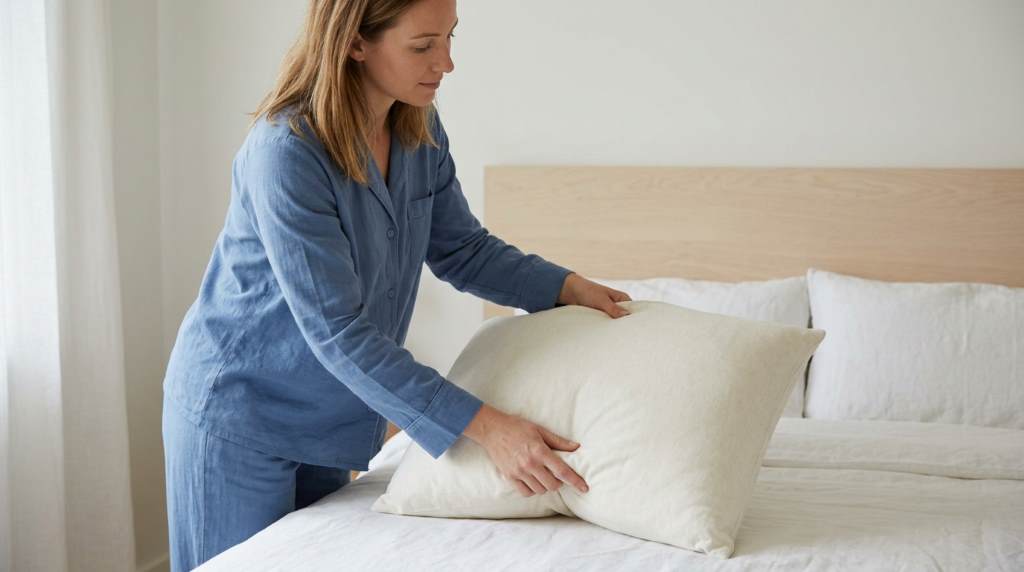
Fluff your bamboo pillow regularly to maintain its shape and support. This is especially important for shredded foam-filled pillows, as the fill can settle over time. A quick fluff each morning keeps it looking and feeling like new.
Use a pillow protector to extend the life of your bamboo pillow. This adds an extra layer of defense against dust, allergens, and spills. Wash the protector regularly to keep your sleeping environment clean and fresh.
Common Mistakes to Avoid With Bamboo Pillows
Do not assume all bamboo pillows are the same. Some contain only a small percentage of bamboo fibers, while others are made entirely from bamboo-derived materials. Read the product description carefully to ensure you are getting a high-quality pillow.
Avoid using harsh cleaning products on your bamboo pillow. Stick to mild detergents and avoid soaking the pillow, as excessive moisture can weaken the fibers. Always follow the manufacturer’s care instructions.
Do not ignore the pillow’s loft when making your purchase. A pillow that is too high or too low can lead to neck pain and poor sleep quality. Test different lofts to find the one that best supports your sleeping position.
Finally, do not forget to replace your pillow when it shows signs of wear. Even the best bamboo pillows lose their support over time. If you notice lumps, flat spots, or persistent odors, it is time for a new one.
Real-Life Success Stories With Bamboo Pillows
Many people report improved sleep quality after switching to bamboo pillows. One user in Arizona noted that their night sweats disappeared, allowing them to sleep through the night without interruption. They also appreciated the pillow’s hypoallergenic properties, which reduced their allergy symptoms.
Another user in Florida found that their bamboo pillow stayed cool even during the hottest months. They no longer woke up feeling overheated, and their skin felt less irritated in the mornings. The pillow’s durability was also a plus, as it retained its shape after months of use.
A side sleeper in Colorado praised the support their bamboo pillow provided. They experienced less neck and shoulder pain, which had been a persistent issue with their old pillow. The natural materials also aligned with their eco-friendly lifestyle.
These stories highlight the versatility and effectiveness of bamboo pillows. Whether you struggle with allergies, temperature regulation, or support, a bamboo pillow could be the solution you have been looking for.
Frequently Asked Questions
Are bamboo pillows good for allergies?
Yes, bamboo pillows are naturally hypoallergenic and resist dust mites, making them ideal for allergy sufferers.
How long do bamboo pillows last?
With proper care, bamboo pillows can last between 3 to 5 years, depending on the quality and usage.
Can I wash my bamboo pillow in the washing machine?
Most bamboo pillows are machine washable, but always check the care label for specific instructions.
Do bamboo pillows help with neck pain?
Yes, their adaptive support helps align the head and neck, reducing pain and stiffness.
Are bamboo pillows eco-friendly?
Yes, bamboo is a sustainable and biodegradable material, making these pillows an eco-conscious choice.
Conclusion
Switching to a bamboo pillow can transform your sleep experience. Their natural cooling, hypoallergenic properties, and eco-friendly design make them a standout choice. By following the tips in this guide, you can pick the right pillow and care for it properly to enjoy years of restful sleep.
If you are ready to upgrade your sleep, consider trying a bamboo pillow today. Your body and the environment will thank you. For more tips on improving sleep quality, explore our other guides and resources.

