
Side sleepers often struggle to find comfort while camping. A good pillow can change the entire experience. Studies show that over 60 percent of people sleep on their side. This makes selecting the best camping pillow for side sleepers a key part of trip planning. The right choice ensures restful sleep under the stars.
Poor sleep can ruin a camping trip. Side sleepers need support for their neck and head. Without it they wake up with stiffness or pain. The wrong pillow can also cause misalignment of the spine. This leads to long term discomfort and fatigue.
Why Side Sleepers Need Special Pillows
Side sleepers require thicker pillows to fill the gap between head and mattress. This keeps the spine in a neutral position. Thin pillows fail to provide enough support. They cause the head to tilt downward and strain the neck.
The ideal pillow for side sleepers is firm yet adaptable. It should mold to the shape of the head and neck. Memory foam is a popular choice for this reason. It offers both support and comfort for extended use.
Key Features To Look For
Loft and Thickness
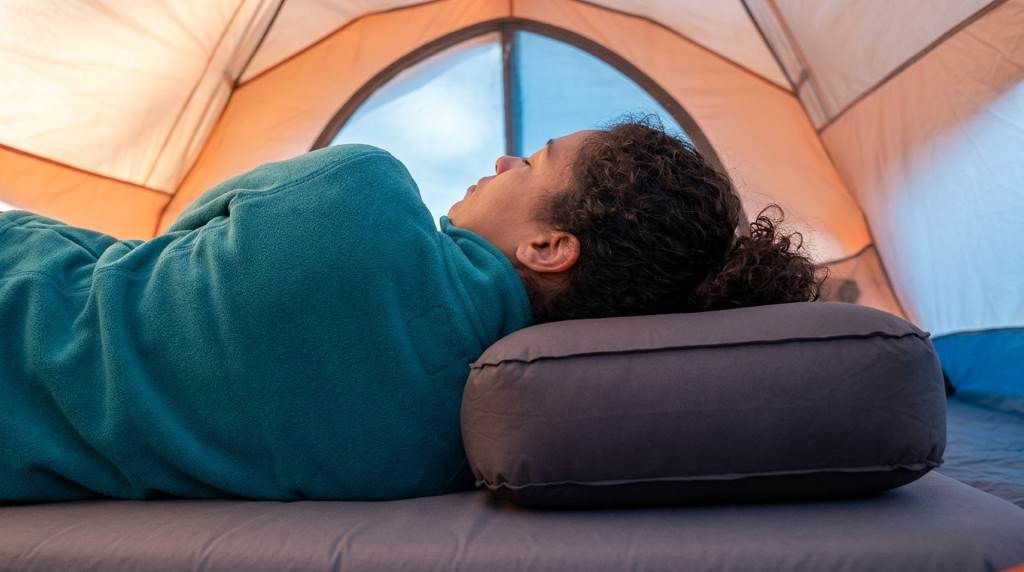
Loft refers to the height of the pillow when compressed. Side sleepers need a loft of at least four inches. This ensures proper alignment of the head and spine. A pillow that is too flat will not provide enough support.
Adjustable loft pillows are a great option. They allow users to add or remove filling to suit their needs. This is especially useful for campers who switch sleeping positions. It also helps accommodate different body types.
Material and Fill
Memory foam is a top choice for side sleepers. It contours to the head and neck for personalized support. It also retains its shape throughout the night. This prevents the need for constant readjustment.
Down and synthetic fills are lighter and more compressible. They are ideal for backpackers who prioritize weight. However they may not offer the same level of support as foam. Consider your priorities when choosing between these options.
Portability and Weight
Camping pillows should be lightweight and easy to pack. Inflatable pillows are a popular choice for backpackers. They can be deflated and stored in a small pouch. This saves space in a backpack or camping gear.
Compressible foam pillows are another good option. They can be squeezed into a stuff sack. Look for pillows that come with a carrying case. This makes them easier to transport and store.
Durability and Weather Resistance
Camping pillows should withstand outdoor conditions. Look for materials that are water resistant or quick drying. This is especially important in humid or rainy climates. A pillow that absorbs moisture can become uncomfortable and heavy.
Seams and zippers should be sturdy and well constructed. This prevents the pillow from tearing or leaking fill. Reinforced stitching adds to the longevity of the product. It ensures the pillow lasts for many camping trips.
Unique Considerations for Side Sleepers
Neck Support and Alignment
Side sleepers often experience neck pain if their pillow is too thin. A contoured design can help maintain proper alignment. Some pillows feature a built in neck roll for added support.
Ergonomic shapes are also available. These are designed to cradle the head and neck. They provide targeted support where it is needed most. This can reduce tossing and turning during the night.
Temperature Regulation
Memory foam can retain heat which may be uncomfortable in warm climates. Look for pillows with cooling gel infusions. These help regulate temperature and keep you cool.
Breathable fabrics are another good option. They allow air to circulate and prevent overheating. This is especially important for summer camping trips. A cool pillow can make a big difference in sleep quality.
Hypoallergenic Properties
Allergies can be a concern for outdoor sleepers. Hypoallergenic materials resist dust mites and mold. This is important for those with sensitivities. It ensures a clean and healthy sleeping environment.
Natural fills like down can trigger allergies in some people. Synthetic fills are often a safer choice. They are less likely to cause allergic reactions. Always check the label for hypoallergenic certifications.
Types of Camping Pillows for Side Sleepers
Inflatable Pillows
Inflatable pillows are lightweight and compact. They can be adjusted to the desired firmness. This makes them a versatile option for side sleepers. However they may not offer the same level of support as foam.
Look for inflatable pillows with a soft outer layer. This adds comfort and prevents the plastic feel. Some models come with a removable cover. This can be washed for easy maintenance.
Compressible Foam Pillows
Compressible foam pillows provide excellent support. They are also durable and long lasting. These pillows can be squeezed into a small size for packing. They expand back to their original shape when unpacked.
Memory foam is a popular choice for compressible pillows. It offers contouring support for side sleepers. Look for high density foam for the best results. This ensures the pillow retains its shape over time.
Hybrid Pillows
Hybrid pillows combine different materials for a balance of support and comfort. For example a pillow may have a foam core with a down alternative outer layer. This provides the best of both worlds.
Hybrid pillows are often more expensive. However they offer versatility and high performance. They are a good investment for frequent campers. Look for models with adjustable loft for added customization.
How to Test a Camping Pillow Before Buying
Check the Loft
Lie down on your side and place the pillow under your head. Your head and neck should be in a straight line. If the pillow is too thin your head will tilt downward. If it is too thick your neck will be bent upward.
The right loft will keep your spine aligned. This prevents strain and discomfort. It also ensures a restful night of sleep. Always test the pillow in your preferred sleeping position.
Assess the Firmness
Press down on the pillow with your hand. It should provide some resistance but still feel comfortable. A pillow that is too firm can cause pressure points. One that is too soft will not offer enough support.
Side sleepers generally need a firmer pillow. This helps maintain proper alignment. However personal preference also plays a role. Choose a pillow that feels right for you.
Evaluate the Material
Consider the climate and conditions you will be camping in. For hot weather choose a pillow with cooling properties. For cold weather look for insulating materials. This ensures comfort in any environment.
Also think about durability and maintenance. Some materials are easier to clean than others. Look for pillows with removable and washable covers. This makes them easier to keep clean and fresh.
Top Picks for Side Sleepers
Best Overall
The Therm a Rest Compressible Pillow is a top choice. It offers a good balance of support and comfort. The foam fill provides excellent loft for side sleepers. It is also durable and easy to pack.
This pillow comes in different sizes. It is suitable for a variety of camping needs. The removable cover is soft and washable. This makes it easy to maintain and keep clean.
Best Budget Option
The Teton Sports Camp Pillow is an affordable choice. It features a soft flannel cover for added comfort. The synthetic fill provides decent support for side sleepers. It is also lightweight and compact.
This pillow is a good option for occasional campers. It offers basic support at a low price. However it may not be as durable as higher end models. Consider your needs and budget when choosing.
Best for Backpackers
The Sea to Summit Aeros Pillow is a great choice for backpackers. It is inflatable and ultra lightweight. The pillow can be adjusted to the desired firmness. It also packs down to a very small size.
This pillow is ideal for those who prioritize weight and space. It offers decent support for side sleepers. However it may not be as comfortable as foam pillows. Consider your priorities when choosing.
Tips for Using Your Camping Pillow
Proper Positioning
Place the pillow under your head and neck for the best support. Avoid putting it under your shoulders. This can cause misalignment and discomfort. The pillow should support your head and neck only.
If you switch positions during the night adjust the pillow as needed. This ensures continuous support and comfort. It also prevents strain and stiffness in the morning.
Maintenance and Care
Follow the manufacturer’s instructions for cleaning and care. Most pillows come with a removable cover that can be washed. This helps keep the pillow fresh and hygienic. Regular cleaning also extends the life of the product.
Store your pillow in a dry place when not in use. This prevents mold and mildew from developing. It also helps maintain the pillow’s shape and performance. Proper care ensures your pillow lasts for many camping trips.
Common Mistakes to Avoid
Choosing Based on Price Alone
A cheap pillow may save you money upfront. However it may not provide the support you need. This can lead to discomfort and poor sleep quality. Invest in a quality pillow for the best results.
Consider the long term benefits of a good pillow. It can improve your sleep and overall camping experience. A high quality pillow is a worthwhile investment. It pays off in comfort and durability.
Ignoring Your Sleeping Position
Side sleepers have different needs than back or stomach sleepers. Choosing a pillow designed for your position is important. This ensures proper support and alignment. It also prevents discomfort and pain.
Always test the pillow in your preferred sleeping position. This helps you determine if it is the right fit. It also ensures you get the support you need. Do not assume a pillow will work for you without testing.
Overlooking Portability
A bulky pillow can be a hassle to transport. Look for options that are lightweight and compact. This makes them easier to pack and carry. It also saves space in your camping gear.
Consider the type of camping you will be doing. Backpackers need ultra lightweight options. Car campers can afford to bring larger pillows. Choose a pillow that suits your needs and preferences.
Final Thoughts
Selecting the right camping pillow is essential for side sleepers. It ensures proper support and alignment for a restful night. Consider your needs and preferences when choosing a pillow. This helps you find the best option for your camping trips.
Invest in a quality pillow for long term comfort and durability. Test the pillow before buying to ensure it meets your needs. Proper care and maintenance also extend the life of your pillow. This ensures many restful nights under the stars.
Frequently Asked Questions
What is the best fill for a camping pillow for side sleepers?
Memory foam is the best fill for side sleepers as it provides excellent support and contours to the head and neck.
How do I know if a camping pillow is right for me?
Test the pillow in your preferred sleeping position to ensure it provides proper support and alignment.
Can I use a regular pillow for camping?
Regular pillows are not ideal for camping as they are often too bulky and not designed for outdoor conditions.
How do I clean my camping pillow?
Follow the manufacturer’s instructions and wash the removable cover regularly to keep your pillow fresh and hygienic.
What is the ideal loft for a side sleeper?
The ideal loft for a side sleeper is at least four inches to ensure proper alignment of the head and spine.

