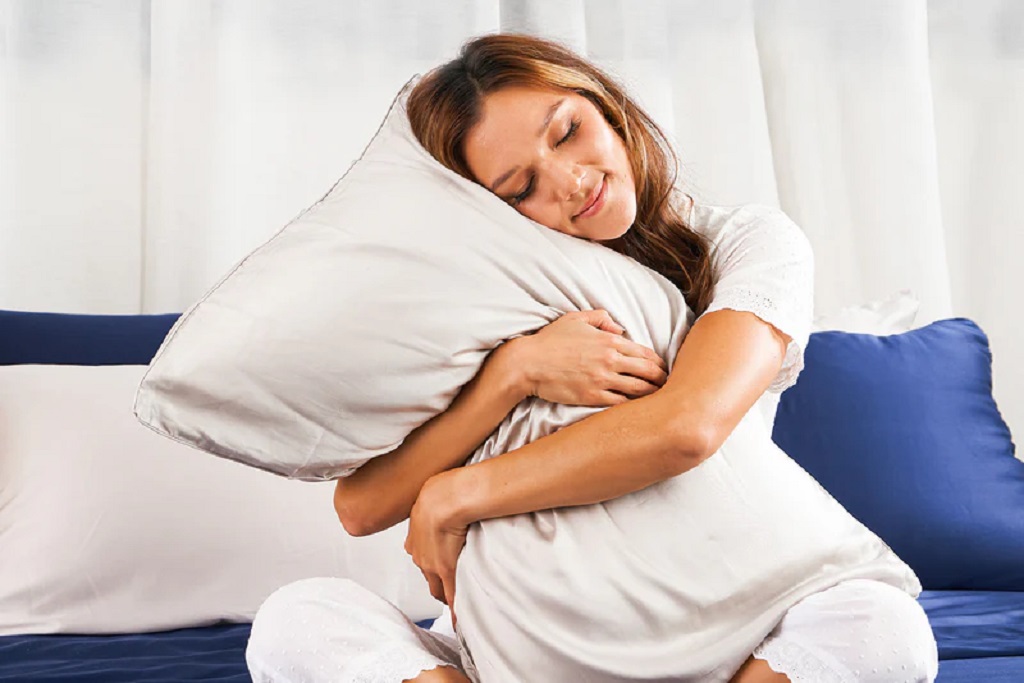
If you wake up sneezing or with itchy eyes, your bedding might be the culprit. The best hypoallergenic pillowcases and bedding accessories to know can transform your sleep. Allergens like dust mites and mold thrive in bedding, causing discomfort. Choosing hypoallergenic materials reduces these triggers, ensuring restful nights. This guide explores top options like silk and bamboo, offering practical solutions for allergy sufferers. With insights from experts and personal experiences, you’ll find the best hypoallergenic pillowcases and bedding accessories to know for a healthier bedroom. Let’s dive into creating an allergy-free sleep haven!
Why Hypoallergenic Bedding Matters
Allergens such as dust mites, mold, and pet dander hide in bedding, triggering sneezing, itching, or asthma. Hypoallergenic bedding uses materials that resist these irritants, promoting better sleep. For instance, dust mites, a common allergen, thrive in warm, humid environments like pillows. According to the Asthma and Allergy Foundation of America, 20 million Americans suffer from allergies, with bedding being a primary culprit. Using hypoallergenic pillowcases reduces exposure to these triggers.
Additionally, hypoallergenic materials like silk or bamboo are breathable, preventing moisture buildup that attracts mold. My own struggle with nighttime allergies improved after switching to silk pillowcases, which felt smoother and reduced my morning congestion. Choosing the best hypoallergenic pillowcases and bedding accessories to know ensures a cleaner, healthier sleep environment for you and your family.
Top Materials for Hypoallergenic Pillowcases

Silk Pillowcases
Silk is a standout choice for hypoallergenic pillowcases. Its natural protein, sericin, repels dust mites and mold, making it ideal for sensitive skin. According to a 2022 study by the Journal of Dermatological Science, silk’s smooth texture reduces skin irritation, benefiting those with eczema. Silk is also breathable, wicking away moisture to keep your pillow dry.
Moreover, silk pillowcases, like those from Blissy, are OEKO-TEX certified, ensuring they’re free of harmful chemicals. They come with zippers for full allergen protection. However, silk requires gentle care, like cold washing, to maintain its quality. For allergy sufferers, silk’s luxurious feel and hypoallergenic properties make it one of the best hypoallergenic pillowcases and bedding accessories to know.
Bamboo Pillowcases
Bamboo pillowcases are another excellent hypoallergenic option. Their moisture-wicking and antimicrobial properties deter dust mites and bacteria. Bamboo’s tight weave prevents allergens from settling, offering a soft, cooling surface. Ethical Bedding reports that bamboo bedding resists mold, making it perfect for humid climates.
Additionally, bamboo is eco-friendly, appealing to sustainable shoppers. Its durability ensures long-lasting use, even with frequent washing. For example, Cosy House Collection’s bamboo-microfiber blend is machine-washable and resists pilling. While slightly less luxurious than silk, bamboo is more affordable, making it a practical choice for those seeking the best hypoallergenic pillowcases and bedding accessories to know.
Hypoallergenic Bedding Accessories to Consider
Mattress Protectors
A hypoallergenic mattress protector creates a barrier against dust mites and pet dander. Materials like organic cotton or Tencel are breathable and easy to wash. According to Wirecutter, protectors with polyurethane linings, like Hospitology Products, offer waterproofing without feeling plasticky. They also reduce wear on mattresses, extending their lifespan.
Furthermore, mattress protectors are essential for allergy sufferers who share beds with pets. Regular washing in hot water (at least 130°F) kills allergens, ensuring a clean sleep surface. My experience with a Tencel protector eliminated morning sneezing, proving its value. These protectors are among the best hypoallergenic pillowcases and bedding accessories to know for comprehensive allergy relief.
Pillow Protectors
Pillow protectors add an extra layer of defense under your pillowcase. They block allergens from penetrating pillows, where dust mites often thrive. Pacific Coast Bedding’s AllerRest protector uses tightly woven fabric to ensure airflow while keeping allergens out. They’re also noiseless, unlike some plasticky options.
Moreover, protectors like those from Mission Allergy are durable, surviving high-heat washing without crinkling. Combining them with hypoallergenic pillowcases maximizes protection. For instance, I noticed fewer allergy symptoms after adding a protector to my silk pillowcase. These accessories are vital for anyone researching the best hypoallergenic pillowcases and bedding accessories to know.
How to Choose the Best Hypoallergenic Bedding
Selecting hypoallergenic bedding requires attention to materials and certifications. Look for OEKO-TEX Standard 100 labels, which guarantee fabrics are free of harmful chemicals. Natural fibers like silk, bamboo, or organic cotton are top choices, as synthetics like polyester can trap allergens. Zippered designs offer better protection than envelope closures, preventing allergen seepage.
Additionally, consider your sleep style and climate. Side sleepers may prefer adjustable pillows, like Richard Haworth’s micro-down, for comfort and support. Washability is crucial—choose bedding that withstands hot water to kill dust mites. By prioritizing these factors, you’ll find the best hypoallergenic pillowcases and bedding accessories to know for your needs.
Tips for Maintaining an Allergy-Free Bedroom
Creating an allergy-free bedroom goes beyond bedding. Wash sheets and pillowcases weekly in hot water (130°F or higher) to eliminate allergens. Use hypoallergenic detergents to avoid skin irritation. Vacuum carpets and upholstery regularly with a HEPA filter to reduce dust. A dehumidifier keeps humidity below 50%, discouraging mold and dust mites.
Moreover, limit pet access to your bed to minimize dander. Dust surfaces with a damp cloth to trap allergens. According to Cleveland Clinic, these steps, combined with hypoallergenic bedding, reduce allergen exposure, though symptoms may persist without consistent cleaning. Implementing these habits ensures the best hypoallergenic pillowcases and bedding accessories to know work effectively. Also, check out Luxury Pillows and Bedding Trends.
Benefits of Hypoallergenic Bedding for Skin and Hair
Hypoallergenic bedding doesn’t just help allergies—it benefits skin and hair. Silk pillowcases, for example, reduce friction, preventing hair breakage and skin irritation. A 2022 study in the Journal of Cosmetic Dermatology found silk pillowcases improve skin hydration, reducing acne and eczema flare-ups. Bamboo also wicks moisture, keeping skin dry and less prone to breakouts.
Additionally, these materials are gentle on sensitive skin, avoiding the irritation caused by synthetic fabrics. My switch to bamboo sheets noticeably softened my skin and reduced morning redness. For those with acne-prone or sensitive skin, investing in the best hypoallergenic pillowcases and bedding accessories to know is a game-changer.
Conclusion
The best hypoallergenic pillowcases and bedding accessories to know offer relief for allergy sufferers and promote healthier sleep. Materials like silk and bamboo resist dust mites and mold, ensuring a cleaner bedroom. By choosing OEKO-TEX certified products and maintaining a rigorous cleaning routine, you can minimize allergens effectively. My experience with silk pillowcases transformed my sleep, proving their value. Explore options like mattress and pillow protectors to enhance your setup. Share your thoughts or experiences in the comments below, or spread the word by sharing this article with fellow allergy sufferers!
FAQs
What makes a pillowcase hypoallergenic?
Hypoallergenic pillowcases use materials like silk or bamboo that resist dust mites, mold, and bacteria, reducing allergic reactions.
Are silk pillowcases worth the cost?
Yes, silk pillowcases repel allergens, reduce skin irritation, and improve hair health, making them a valuable investment for allergy sufferers.
How often should I wash hypoallergenic bedding?
Wash hypoallergenic bedding weekly in hot water (130°F) to kill dust mites and remove allergens effectively.
Can bamboo bedding help with allergies?
Bamboo bedding is moisture-wicking and antimicrobial, resisting dust mites and mold, making it ideal for allergy relief.
Where can I buy quality hypoallergenic bedding?
Brands like Blissy, Ethical Bedding, and Pacific Coast offer certified hypoallergenic bedding. Check their websites or retailers like Target.