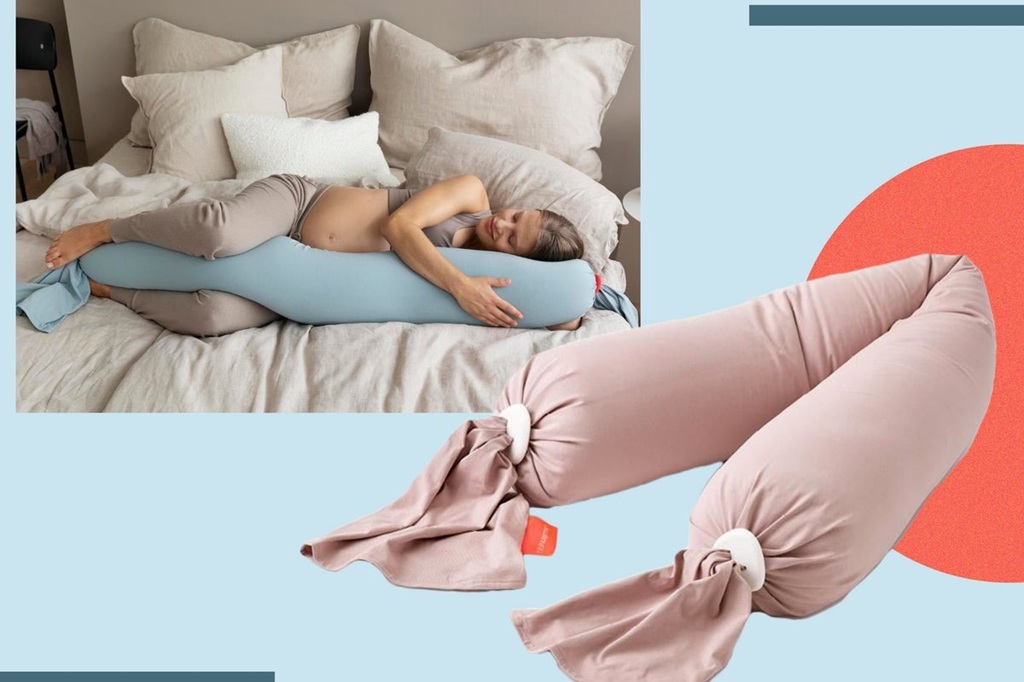
Most adults do not sleep as well as they think they do. The Centers for Disease Control and Prevention reports that roughly one in three adults in the United States does not get enough sleep. Research from the National Institutes of Health also shows that poor sleep posture can increase neck and upper back strain, especially for back sleepers.
If you sleep on your back, your pillow does more than cushion your head. It controls spinal alignment, airway position, and muscle tension. The wrong height or fill can lead to stiffness, headaches, or numb shoulders. The right one feels almost invisible. Below, you will find a detailed breakdown of the best pillows back sleepers this year and how they actually perform in real bedrooms.
Quick Picks of Best Pillows Back Sleepers of 2026
If you want to compare at a glance, here are the best pillows for back sleepers covered in this guide:
- Beckham Hotel Collection Bed Pillows for Sleeping Queen Size Set of 2
- Utopia Bedding Gusseted Pillow Premium Quality Bed Pillows Blue Gusset
- HOMCA Adjustable Cervical Pillow for Neck Pain Relief Ergonomic Orthopedic Pillow
- JOLLYVOGUE Bed Pillows for Sleeping Queen Size Set of 2
- Osteo Cervical Pillow for Neck Pain Relief Hollow Design Odorless Memory Foam Pillow
- Coop Home Goods Original Adjustable Pillow Shredded Memory Foam
- WonderSleep Premium Adjustable Loft Shredded Hypoallergenic Memory Foam Pillows
- Sasttie Queen Pillows for Sleeping Set of 2 Hotel Collection Bed Pillows
- Bedsure Queen Pillows for Sleeping Set of 2 Soft Bed Pillows
- COZSINOOR Hotel Collection Pillows for Sleeping Queen Size Set of 2
Best Pillows Back Sleepers of 2026
Back sleepers need moderate loft and stable support. Too flat and the head falls back. Too thick and the chin tucks forward. The following best pillows back sleepers handle that balance in different ways.
Beckham Hotel Collection Bed Pillows for Sleeping
Soft hotel feel with moderate loft
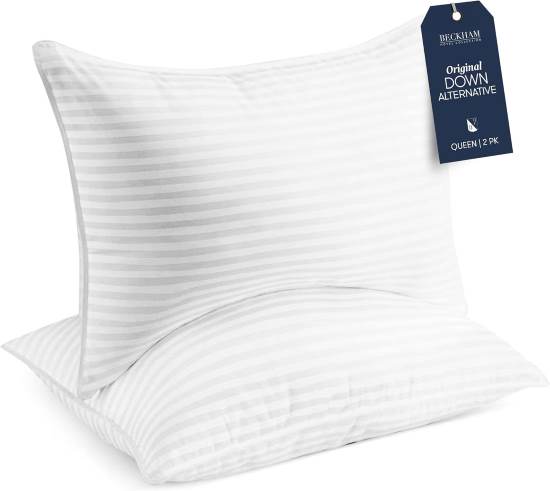
In real use, these feel plush at first touch. The outer shell feels smooth and cool, and the fill compresses easily under weight. For back sleepers who prefer a softer cradle rather than a structured lift, this works well.
They suit people who shift slightly at night but stay primarily on their back. The pillow rebounds fairly well after compression, though heavy users may need to fluff it daily to maintain loft.
They perform best in climate controlled rooms because the fill does not trap much heat. They may not suit those who need firm cervical support or precise height control.
User Review
Emily R.
“I wanted something simple that did not feel medical. These feel like hotel pillows but still keep my head centered. I do fluff them every morning. After a few months, they still hold shape reasonably well.”
Key Features
- Soft yet stable fill
Provides cushioning without fully collapsing under head weight. - Breathable cover fabric
Helps reduce heat buildup during longer sleep cycles. - Medium profile loft
Keeps neck neutral for average body frames. - Machine washable design
Simplifies cleaning after spills or allergies. - Lightweight construction
Easy to adjust position at night.
Pros and Cons
| Pros | Cons |
| Comfortable hotel style feel | Needs regular fluffing |
| Good airflow | Not firm enough for some |
| Easy to wash | Loft may reduce over time |
Utopia Bedding Gusseted Pillow Premium Quality Bed Pillows
Structured edge support design
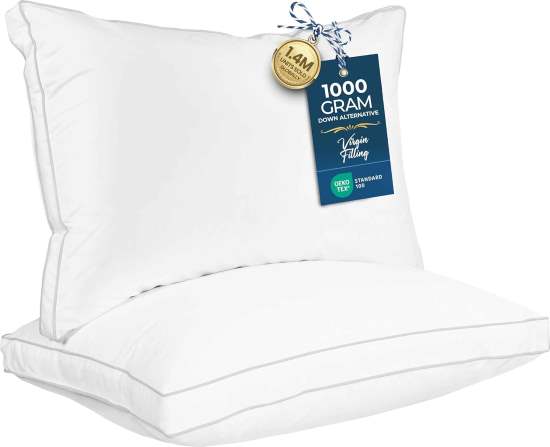
These feel more structured because of the gusseted side panel. That added edge helps maintain shape, especially if you move during sleep.
Back sleepers who dislike flat collapse will appreciate the extra side reinforcement. It keeps the pillow from compressing unevenly.
They work well for people who want visible structure without memory foam density. However, they may feel slightly bulky for petite sleepers.
User Review
Daniel K.
“I like that the sides do not cave in. It feels more supportive than basic fiber pillows. Slightly thicker than I expected, but I adjusted after a few nights.”
Key Features
- Gusseted edge construction
Maintains consistent loft across surface. - Balanced firmness level
Supports head without rigid feel. - Resilient fiber fill
Recovers shape after compression. - Soft outer shell
Comfortable against skin. - Set of two design
Allows rotation for even wear.
Pros and Cons
| Pros | Cons |
| Holds shape well | Slightly bulky profile |
| Even support distribution | Not adjustable |
| Good for combination sleepers | Can feel firm initially |
HOMCA Adjustable Cervical Pillow for Neck Pain Relief
Ergonomic contour support
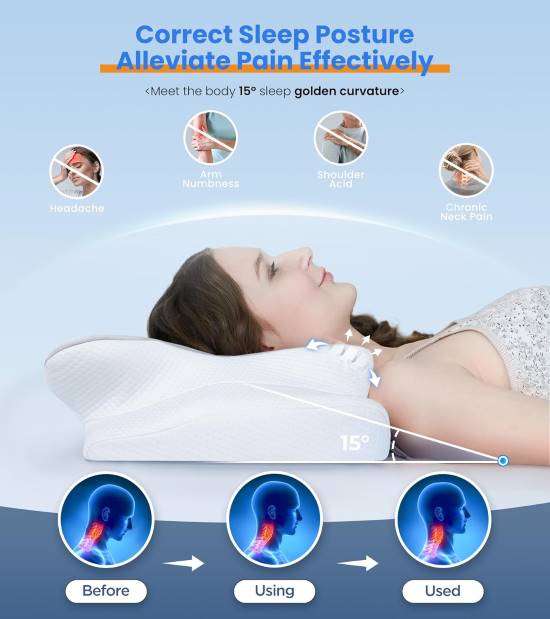
This pillow targets spinal alignment. The contoured shape cradles the neck and supports the natural curve of the cervical spine.
Back sleepers who wake with stiffness may benefit from its structured profile. It feels firmer than fiber pillows and does not compress much.
It works best for people committed to sleeping on their back. Side sleepers may find the contour limiting.
User Review
Marcus T.
“I needed something that kept my neck steady. It took two nights to adjust, but my morning stiffness reduced noticeably.”
Key Features
- Contoured cervical design
Supports natural neck curvature. - Adjustable height insert
Customizes loft for body type. - Memory foam core
Distributes weight evenly. - Breathable outer cover
Reduces surface heat. - Stable sleep positioning
Limits excessive head movement.
Pros and Cons
| Pros | Cons |
| Strong neck alignment support | Less flexible shape |
| Adjustable height option | Firm feel |
| Reduces morning stiffness | Not ideal for side sleepers |
JOLLYVOGUE Bed Pillows for Sleeping
Balanced softness and lift
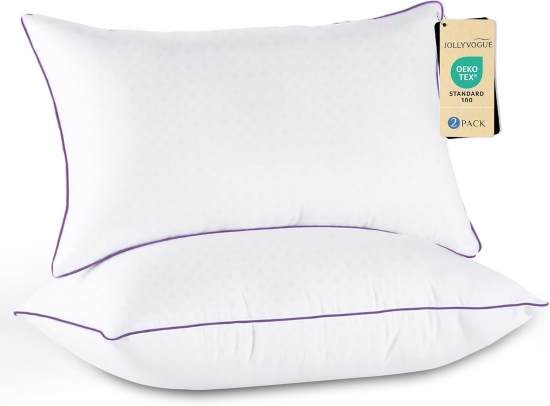
These land between plush and supportive. The fill feels soft but does not flatten completely.
They suit back sleepers who want moderate loft without structured contouring. In cooler rooms, they maintain consistent feel.
They may not satisfy those seeking orthopedic level firmness.
User Review
Rachel S.
“They feel comfortable right away. Not too stiff, not too flat. Good everyday pillow.”
Key Features
- Medium density fill
Balances comfort and support. - Smooth outer cover
Gentle against sensitive skin. - Consistent loft retention
Holds shape through night. - Lightweight construction
Easy repositioning. - Machine washable
Practical maintenance.
Pros and Cons
| Pros | Cons |
| Comfortable middle firmness | Not highly supportive |
| Easy care | May soften over time |
| Suitable for guest rooms | Limited contour support |
Osteo Cervical Pillow for Neck Pain Relief
Hollow center memory foam design
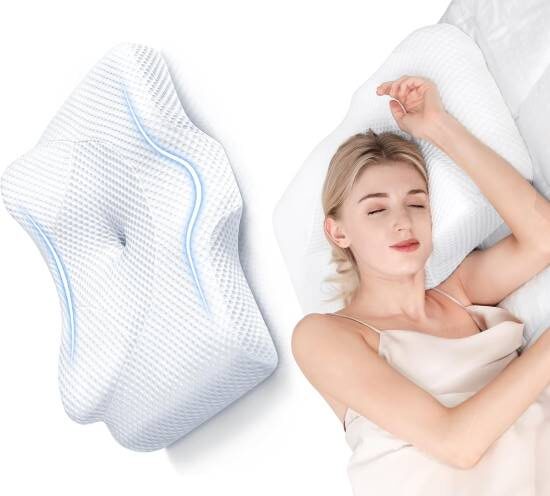
The central hollow reduces pressure under the head while the raised edges support the neck. It feels firm but carefully shaped.
Back sleepers with chronic neck strain often respond well to the structured support.
However, adjustment time can feel longer compared to traditional pillows.
User Review
Linda G.
“The hollow center felt unusual at first. After a week, I noticed less tension in my shoulders.”
Key Features
- Hollow head cradle design
Reduces direct pressure on skull. - Raised cervical support edges
Promotes spinal alignment. - Dense memory foam core
Maintains shape long term. - Odor controlled material
Minimal off gassing. - Removable washable cover
Easier upkeep.
Pros and Cons
| Pros | Cons |
| Strong neck support | Adjustment period required |
| Maintains shape well | Firm feel |
| Helpful for stiffness | Limited movement freedom |
Coop Home Goods Original Adjustable Pillow
Customizable shredded foam fill
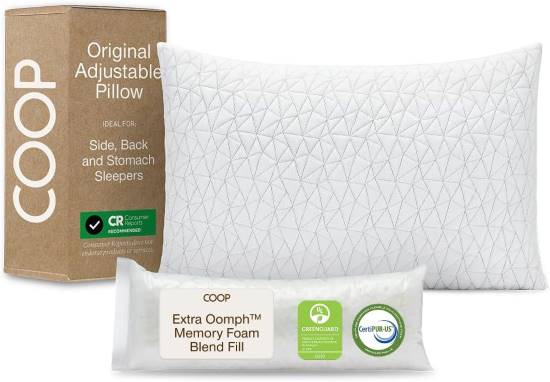
This pillow allows you to add or remove fill. In practice, that flexibility matters.
Back sleepers who struggle to find the right height can fine tune loft. The shredded foam adapts more than solid memory foam.
It requires occasional adjustment, especially during the first weeks.
User Review
Aaron M.
“I removed some fill and found the perfect height. It took trial and error but now it feels tailored.”
Key Features
- Adjustable loft system
Allows personalized height control. - Shredded memory foam blend
Adapts to head movement. - Breathable inner liner
Helps regulate temperature. - Durable outer cover
Withstands frequent washing. - Responsive support feel
Reduces pressure buildup.
Pros and Cons
| Pros | Cons |
| Fully customizable loft | Requires setup effort |
| Good balance of support | Slightly heavier |
| Long term durability | Fill may shift |
WonderSleep Premium Adjustable Loft Pillows
Adaptive shredded foam option
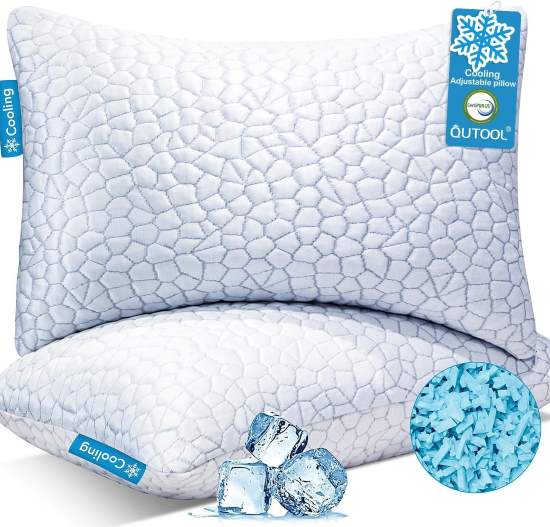
Similar to adjustable foam models, this one focuses on flexibility. It feels soft but supportive once adjusted properly.
Back sleepers who prefer medium loft often find a workable balance.
Not ideal for those wanting a very firm, structured base.
User Review
Nicole P.
“I adjusted it once and have not touched it since. Comfortable without feeling stiff.”
Key Features
- Removable fill design
Fine tunes pillow height. - Hypoallergenic materials
Suitable for sensitive users. - Balanced firmness
Supports without rigidity. - Breathable cover
Improves airflow. - Consistent rebound response
Prevents deep sinking.
Pros and Cons
| Pros | Cons |
| Adjustable support level | Some setup needed |
| Soft but supportive | Not ultra firm |
| Allergy friendly materials | Can feel bulky initially |
Sasttie Queen Pillows for Sleeping
Soft hotel collection feel
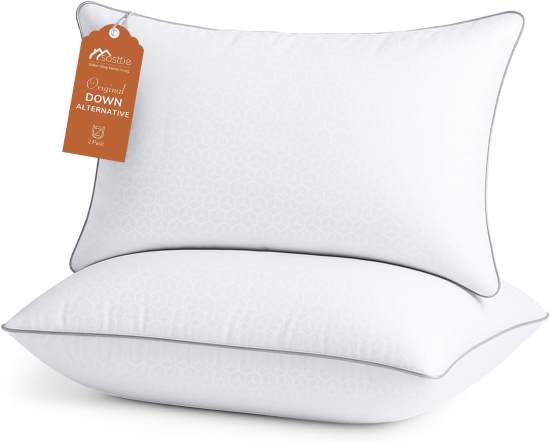
These prioritize comfort over structure. They compress easily and rebound moderately.
Back sleepers with lighter body weight may find them comfortable.
Heavier sleepers may need firmer options.
User Review
Jason L.
“Very soft and comfortable. I double them when I want more height.”
Key Features
- Plush fiber fill
Gentle head support. - Breathable shell fabric
Reduces trapped heat. - Lightweight construction
Easy repositioning. - Standard loft height
Suitable for average sleepers. - Washable design
Practical upkeep.
Pros and Cons
| Pros | Cons |
| Soft comfort feel | Limited neck support |
| Lightweight | May flatten faster |
| Good for guest beds | Not adjustable |
Bedsure Queen Pillows for Sleeping
Soft balanced everyday option
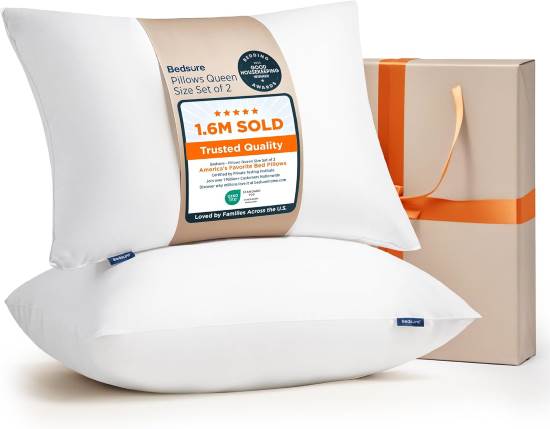
These provide a medium soft feel. They suit back sleepers who prefer light cushioning.
They perform best in mild climates and for average frame sleepers.
And, they may feel too soft for chronic neck pain.
User Review
Carla D.
“They feel simple and comfortable. Not medical, just easy to sleep on.”
Key Features
- Moderate loft support
Keeps head centered. - Soft outer fabric
Comfortable surface texture. - Even fill distribution
Prevents lumping. - Lightweight design
Easy nightly adjustment. - Machine washable
Simplifies cleaning.
Pros and Cons
| Pros | Cons |
| Comfortable softness | Limited firm support |
| Easy maintenance | May lose loft |
| Suitable for daily use | Not specialized |
COZSINOOR Hotel Collection Pillows for Sleeping
Structured hotel style comfort
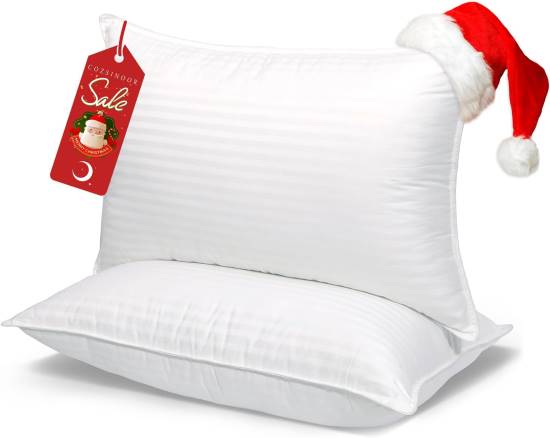
These balance softness with shape retention. They feel slightly firmer than ultra plush pillows.
Back sleepers who want a traditional hotel experience with moderate support may appreciate this design.
They may not satisfy those needing orthopedic contouring.
User Review
Brian W.
“They feel like a hotel upgrade from basic pillows. Supportive without being stiff.”
Key Features
- Resilient fiber fill
Holds shape during night. - Medium loft height
Promotes neutral alignment. - Smooth outer fabric
Comfortable against skin. - Breathable construction
Reduces heat retention. - Durable stitching
Enhances longevity.
Pros and Cons
| Pros | Cons |
| Good shape retention | Not adjustable |
| Comfortable medium feel | May feel firm to some |
| Suitable for back sleepers | Limited contour support |
Detailed Buying Guide for Back Sleepers
Choosing a pillow for back sleeping requires more thought than most people expect. Small differences in height and density can change spinal alignment and long term comfort.
Core Performance Factors
The most important factor is loft height. Back sleepers need moderate elevation that keeps the chin neither tucked nor tilted back. Too much height flexes the neck forward. Too little height extends it backward. Both create strain over time.
Firmness also matters. A pillow must compress slightly under weight while maintaining structural resistance. Many buyers confuse softness with comfort. In reality, comfort depends on how evenly the pillow distributes pressure while preserving alignment.
Material Quality and Durability
Fiber fill feels plush but can lose volume faster with nightly compression. Shredded memory foam offers better longevity because it springs back more reliably. Solid memory foam holds shape well but feels denser and less adaptable.
Buyers often assume thicker pillows last longer. Thickness alone does not determine durability. Material resilience and internal structure matter more over years of use.
Comfort and Usability
Breathability influences sleep temperature. Foam traps more heat than fiber unless ventilated. Cover fabric also affects surface feel. A breathable cover improves airflow and reduces night sweating.
Ease of adjustment affects long term satisfaction. Adjustable pillows allow loft changes as body needs evolve. Fixed height pillows require replacement if comfort changes.
Maintenance Demands
Machine washable fiber pillows simplify hygiene. Foam cores often require spot cleaning only, which demands more care.
Some buyers overlook the importance of regular fluffing. Even quality pillows need maintenance to preserve loft and even distribution.
Environmental Compatibility
Room temperature influences pillow feel. Memory foam stiffens in cooler rooms and softens in warmer spaces. Climate can therefore change perceived firmness.
Body weight also matters. Heavier sleepers compress fill more deeply and may require denser support.
Safety Considerations
Hypoallergenic materials reduce dust mite buildup and irritation. Certifiable foam safety standards can lower chemical exposure risk.
Odor is also relevant. Some foam products emit mild initial scent that dissipates with airflow.
Related:
Best Affordable Toddler Pillows 2026: Sleeping, Travel And Organic Picks Compared
How to Pick Orthopedic Pillows for Shoulder Impingement Pain
Common Buyer Mistakes
Many buyers assume that higher loft equals better support. In reality, excessive height strains the neck forward and worsens stiffness.
Others believe soft pillows reduce pain. Excess softness often leads to head sinking and spinal misalignment.
Some assume memory foam solves every issue. Without correct height, even premium foam fails to maintain posture.
Buyers often ignore body weight. A pillow that works for a lighter sleeper may collapse under heavier compression.
Another mistake involves skipping adjustment periods. Structured pillows require several nights for muscles to adapt.
Some focus only on brand reputation rather than personal fit. Even well reviewed products may not suit specific anatomy.
Finally, many replace mattresses but overlook pillow wear. An old flattened pillow undermines overall sleep quality.
How to Match Products to Specific Needs
Casual sleepers who want comfort without complexity often prefer medium loft fiber pillows. They require minimal setup and feel familiar.
Heavy daily users who struggle with neck stiffness benefit from structured memory foam or adjustable shredded foam options. These provide more consistent support over time.
People in warmer climates should prioritize breathable covers and ventilated fill to reduce heat retention.
Those with limited storage or who travel may prefer lightweight fiber pillows that compress easily.
Budget conscious buyers focused on longevity often do better with adjustable foam. While setup takes effort, the ability to modify loft extends usable life.
Advanced users who understand spinal alignment may appreciate contoured cervical designs. These demand adjustment but reward consistent posture support.
The key is honest assessment of sleep habits, body frame, and comfort preferences.
Conclusion
Back sleeping places unique demands on a pillow. Height, firmness, and material all influence spinal alignment and long term comfort. Some people need structured cervical support. Others simply need balanced loft with steady rebound.
The best choice depends less on brand and more on how your body responds night after night. Evaluate your posture, temperature preferences, and maintenance tolerance. Choose based on fit rather than trend.
Better sleep begins with alignment.
FAQs
How high should a pillow be for back sleepers?
It should keep your neck neutral without tilting your chin forward or backward.
Is memory foam better for back sleepers?
It offers stable support but must match your preferred loft height.
Can soft pillows cause neck pain?
Yes, if they allow excessive sinking and misalignment.
How often should pillows be replaced?
Typically every one to two years depending on material wear.
Are adjustable pillows worth it?
They can improve long term comfort by allowing loft changes.