
Decorative throw pillows add comfort and style to your living spaces. You invest time and money in selecting the perfect ones. Yet, improper storage leads to damage over time. Dust, moisture, and pests ruin their appeal. Imagine pulling out flattened, stained pillows after months in storage. You avoid this hassle with proper techniques. This guide teaches you step-by-step methods to store them effectively. You preserve their shape, color, and freshness for years.
Why Proper Long-Term Storage Matters for Decorative Throw Pillows
You protect your investment with smart storage. Throw pillows face threats like compression, fading, and mildew. Proper methods extend their lifespan. Industry experts stress the importance of preparation and environment control. You maintain their decorative value. Homeowners often overlook these steps, leading to costly replacements.
Storage prevents common issues. Moisture causes mold growth. Direct sunlight fades fabrics. Pests like moths damage fillings. You combat these risks head-on. Based on manufacturer guidelines, clean and dry pillows last longer. Professionals recommend seasonal rotation to keep them in use without wear.
Preparing Your Decorative Throw Pillows for Storage
You start with thorough cleaning. Dirt and oils accumulate on surfaces. Vacuum pillows gently to remove dust. Use a soft brush attachment. Spot clean stains with mild soap and water. Avoid soaking them. Dry them completely in a shaded area.
For machine-washable covers, remove them first. Wash on a gentle cycle with cold water. Air dry to prevent shrinkage. According to widely accepted industry standards, avoid high heat. It damages fibers.
Inspect for damage next. Repair loose seams or tears. Replace zippers if needed. Fluff pillows to restore shape. Beat them lightly or tumble dry on low with tennis balls.
Deodorize naturally. Sprinkle baking soda and vacuum after an hour. Essential oils like lavender repel insects. You ensure pillows enter storage fresh.
Choosing the Right Storage Containers
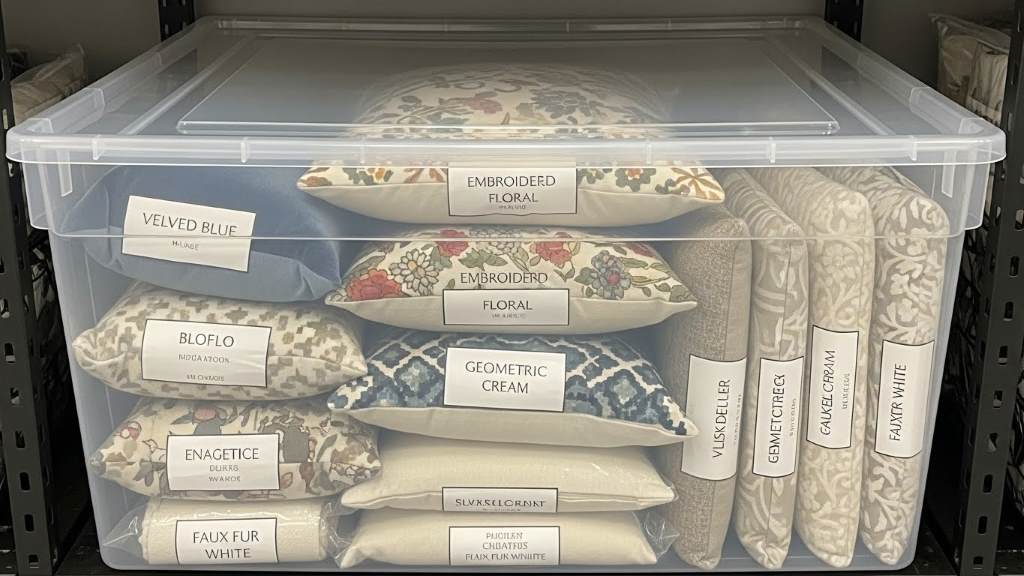
Select containers that protect from elements. Plastic bins with lids work well. They block dust and moisture. Choose clear ones for easy identification. Size them appropriately to avoid overcrowding.
Fabric storage bags offer breathability. Cotton or canvas prevents condensation. Avoid plastic bags; they trap humidity. As recommended by professionals, use acid-free materials for delicate fabrics.
Vacuum-sealed bags save space. They compress pillows without permanent damage. Limit use to short periods. Long-term compression flattens fillings. Industry experts suggest alternating with loose storage.
Label containers clearly. Note contents and date. You track storage duration easily.
- Opt for stackable bins to maximize space.
- Ensure lids seal tightly against pests.
- Avoid metal containers; they rust and stain.
Ideal Storage Locations for Long-Term Preservation
Store in cool, dry places. Basements often hold moisture. Attics fluctuate in temperature. Closets or under-bed spaces suit better. Maintain temperatures between 60-70°F.
Control humidity levels. Use dehumidifiers if needed. Silica gel packets absorb excess moisture. Place them inside containers.
Avoid direct light. UV rays fade colors. Dark areas preserve vibrancy. According to industry experts, elevated storage prevents floor-level dampness.
Consider climate-controlled units for extreme conditions. They provide stable environments. You protect pillows from seasonal changes.
Materials and Tools You Need for Effective Storage
Gather essential items beforehand. Acid-free tissue paper cushions pillows. It prevents creases.
Moth repellents like cedar blocks deter insects. Lavender sachets offer natural alternatives.
Storage racks organize bins. They improve airflow.
- Acid-free boxes for fragile items.
- Humidity monitors to check conditions.
- Soft cloths for wrapping.
Based on manufacturer guidelines, avoid wire hangers. They distort shapes.
Step-by-Step Guide to Storing Decorative Throw Pillows
Follow these steps for success.
- Clean and dry pillows thoroughly.
- Fluff to restore loft.
- Wrap in tissue paper individually.
- Place in containers loosely.
- Add moisture absorbers.
- Seal and label.
- Store in ideal location.
Check periodically. Every few months, air them out. Rotate positions to prevent settling.
For silk or velvet pillows, use extra padding. Down-filled ones need more space.
Protecting Against Common Threats: Dust, Moisture, and Pests
Dust settles quickly. Sealed containers block it. Vacuum storage areas first.
Moisture breeds mold. Dehumidify spaces. Use breathable covers.
Pests invade fabrics. Natural repellents work best. Inspect for signs regularly.
According to professionals, integrated pest management keeps issues at bay. Clean surroundings deter infestations.
Maintaining Pillow Shape and Freshness Over Time
Prevent flattening with proper packing. Layer pillows flat. Avoid stacking heavy items on top.
Air them out seasonally. Exposure to fresh air revives scents.
Refresh fillings if needed. Plump by hand or machine.
Industry standards recommend avoiding compression for natural fibers. Synthetic ones tolerate it better.
Seasonal Storage Tips for Decorative Throw Pillows
Rotate pillows with seasons. Store winter ones in summer.
Holiday-themed pillows need special care. Wrap them to preserve details.
In humid seasons, increase moisture controls.
As recommended by experts, catalog your collection. It simplifies swaps.
Common Mistakes to Avoid When Storing Throw Pillows
People cram too many in one container. It causes deformation.
They forget to clean first. Dirt attracts pests.
Storing in damp areas invites mold.
Avoid vacuum sealing delicate materials. It crushes them.
Professionals warn against ignoring labels. Care instructions guide methods.
Related:
SHINUOER Cute Cat Plush Long Body Pillow — Review
Purple Harmony Anywhere vs Eli & Elm Side Sleeper Pillow: Which One’s Right for You?
Eco-Friendly Storage Options for Sustainability
Choose reusable containers. Fabric bags reduce plastic waste.
Natural repellents minimize chemicals.
Recycle old pillows responsibly. Donate usable ones.
According to industry experts, sustainable practices extend usability.
Cost-Effective Storage Solutions
Budget-friendly options abound. Repurpose household bins.
DIY cedar sachets save money.
Thrift stores offer affordable organizers.
Based on guidelines, invest in quality once. It pays off long-term.
When to Replace Stored Decorative Throw Pillows
Signs include persistent odors. Flattened shapes that won’t fluff.
Fading or stains signal end.
Experts suggest replacing every 5-7 years. Usage affects lifespan.
Integrating Stored Pillows Back into Your Decor
Unpack carefully. Air them out.
Fluff and arrange. Match with current themes.
Rotate to even wear.
Conclusion
You now know how to store decorative throw pillows long term. These steps keep them pristine. Implement them today. Your home decor stays vibrant. Start organizing your pillows now for lasting beauty.
FAQ
How often should I check on stored throw pillows?
Check every 3-6 months. Air them out and inspect for damage. This prevents issues from worsening.
Can I store throw pillows in vacuum bags long term?
Use vacuum bags sparingly. They compress well but flatten over time. Limit to 6 months for best results.
What if my pillows have beading or embroidery?
Wrap them in tissue paper. Use padded containers. Avoid pressure on details to prevent snags.
Are there storage differences for indoor vs. outdoor throw pillows?
Outdoor pillows need more moisture protection. Clean them thoroughly. Store in breathable but sealed bags.
How do I remove musty smells from stored pillows?
Air them in sunlight briefly. Use baking soda. For stubborn odors, professional cleaning helps.
Can I store pillows in the garage?
Avoid garages due to temperature swings. Use only if climate-controlled.
What fillings require special storage?
Down needs airflow. Foam tolerates compression. Follow material guidelines.
How to store large quantities of throw pillows?
Use shelving units. Label clearly. Group by size or color for efficiency.
Is it okay to fold throw pillows for storage?
Avoid folding. It creates creases. Store flat or upright.
What if pests invade stored pillows?
Discard infested ones. Clean area thoroughly. Use repellents preventively.
References:

