
Waking up with a stiff neck or a throbbing migraine can turn even the best day into a struggle. I know this all too well. For years, I’d wake up with a crick in my neck, my shoulders tense, and a headache that just wouldn’t quit. No matter how much I adjusted my sleeping position or how many pillows I tried, the discomfort persisted. That all changed when I discovered the power of a cervical pillow. Designed specifically to support the natural curve of your neck, it transformed my sleep—and my mornings. The right cervical pillow can make the difference between waking up refreshed or waking up in pain.
If you’re dealing with chronic neck pain or migraines, a cervical pillow migraine relief setup could be the solution you’ve been searching for. These pillows are engineered to align your spine, reduce muscle tension, and improve circulation, all of which can help alleviate the frequency and intensity of migraines. According to the American Migraine Foundation, poor sleep posture is a common trigger for headaches and migraines, making a supportive pillow a simple yet effective tool for prevention.
Why a Cervical Pillow Is Essential for Neck Support and Migraine Relief
A cervical pillow is specifically designed to support the natural curve of your neck, known as the cervical spine. Unlike traditional pillows, which can force your neck into an unnatural position, cervical pillows provide targeted support to maintain proper alignment. This alignment is crucial for reducing strain on your neck muscles, ligaments, and joints, which can contribute to tension headaches and migraines.
According to a study published in the Journal of Physical Therapy Science, using a cervical pillow can significantly reduce neck pain and improve sleep quality. The pillow’s contoured design cradles your head and neck, promoting a neutral spine position that alleviates pressure and tension. This is especially beneficial for those who suffer from chronic neck pain, whiplash, or conditions like cervical spondylosis.
Additionally, cervical pillows can improve circulation and reduce nerve compression, both of which play a role in migraine prevention. When your neck is properly aligned, blood flow to your brain is optimized, and the risk of nerve irritation—often a trigger for migraines—is minimized. For those who experience frequent migraines, investing in a quality cervical pillow can be a game-changer for both sleep quality and overall well-being.
Key Features to Look for in a Cervical Pillow
Not all cervical pillows are created equal. To get the most out of your investment, it’s important to choose a model that aligns with your specific needs. Here are the key features to consider:
1. Contoured Design
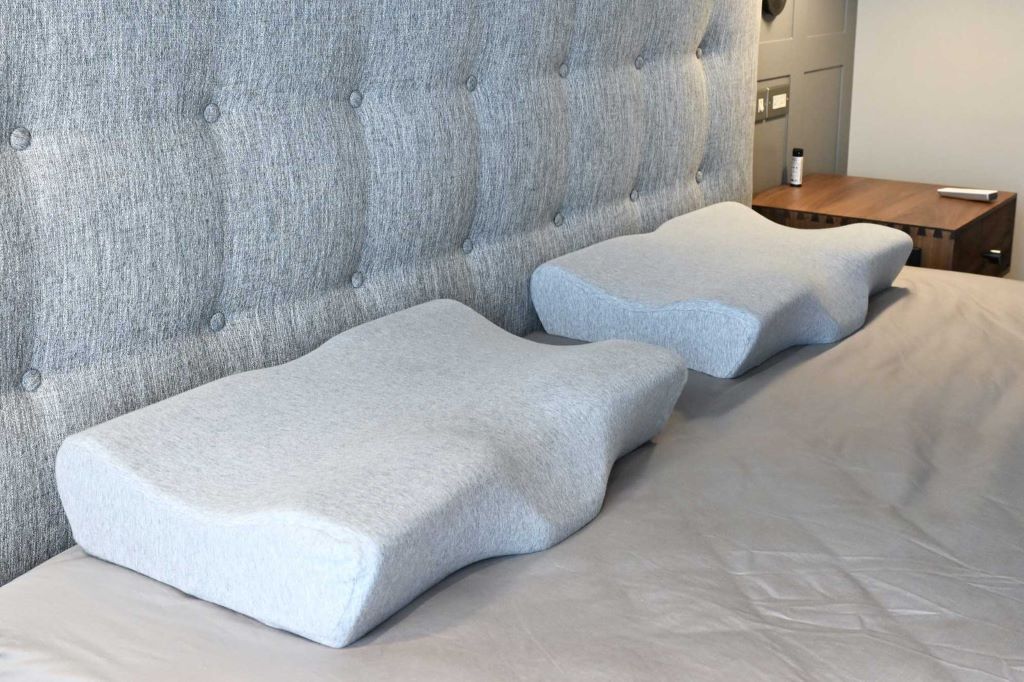
The most defining feature of a cervical pillow is its contoured design. This shape is engineered to support the natural curve of your neck, providing targeted relief for the cervical spine. Look for a pillow with a gentle dip in the center to cradle your head and a raised edge to support your neck.
Additionally, consider the depth and height of the contour. A pillow that’s too high or too low can force your neck into an unnatural position, defeating its purpose. The right contour should keep your head and neck in a neutral alignment, with your ears aligned with your shoulders.
2. Material and Firmness
The material of your cervical pillow plays a significant role in its comfort and support. Memory foam is a popular choice for its ability to contour to your head and neck, providing personalized support and pressure relief. It’s also hypoallergenic and resistant to dust mites, making it a great option for allergy sufferers.
Additionally, consider the firmness of the pillow. A firmer pillow provides more support and is ideal for those who need extra stability, such as people with chronic neck pain or those recovering from an injury. A softer pillow, on the other hand, may be more comfortable for those who prefer a plusher feel or have sensitive skin.
3. Size and Shape
Cervical pillows come in a variety of sizes and shapes to suit different needs. A standard rectangular pillow with a contoured design is the most common, but some models feature a more unique shape, such as a roll or a wedge. Consider the dimensions of the pillow and how it will fit on your bed.
Additionally, think about your sleeping position. If you’re a back sleeper, a pillow with a deeper contour may provide better support for your neck. If you’re a side sleeper, look for a pillow with a slightly higher loft to keep your spine aligned. Some cervical pillows are designed to accommodate multiple sleeping positions, making them a versatile choice for combination sleepers.
4. Cover Material
The cover of your cervical pillow should be soft, breathable, and easy to clean. Look for a model with a removable, machine-washable cover made from high-quality materials like cotton, bamboo, or a hypoallergenic fabric. This ensures that your pillow stays fresh and hygienic, even with regular use.
Additionally, consider the texture of the cover. A smooth, cool-to-the-touch fabric can enhance your comfort, especially during warmer months. Some covers also feature moisture-wicking properties, which can help keep you dry and comfortable throughout the night.
5. Adjustability
Some cervical pillows come with adjustable features that allow you to customize the height and firmness to suit your needs. For example, you might find a pillow with removable inserts or layers that let you modify the loft. This can be especially useful if you’re unsure about the right height for your neck or if your preferences change over time.
Additionally, consider whether the pillow has a reversible design. Some models feature different contours on each side, allowing you to choose the one that feels most comfortable for your sleeping position.
6. Durability and Build Quality
A cervical pillow is an investment in your comfort and health, so it’s important to choose a model that’s built to last. Look for a pillow made from high-quality materials that can withstand regular use without losing its shape or support.
Additionally, check the stitching and seams of the pillow. Reinforced stitching can prevent the pillow from tearing or coming apart over time. Some models also feature a non-slip bottom, which can keep the pillow in place on your bed.
How to Use a Cervical Pillow for Maximum Comfort and Relief
Using a cervical pillow correctly is key to reaping its benefits. Here’s how to position it for optimal comfort and support:
1. Back Sleeping
If you sleep on your back, place the cervical pillow under your head with the contoured edge supporting your neck. The dip in the center of the pillow should cradle your head, while the raised edge should align with the natural curve of your cervical spine. This position helps maintain proper alignment and reduces strain on your neck muscles.
Additionally, make sure your shoulders are relaxed and not scrunched up toward your ears. If the pillow feels too high, try adjusting the height with removable inserts or choosing a model with a lower loft.
2. Side Sleeping
If you sleep on your side, place the cervical pillow under your head with the higher loft side supporting your neck. This helps keep your spine aligned and prevents your head from tilting too far to one side, which can strain your neck and shoulders.
Additionally, consider placing a small pillow or rolled-up towel under your neck for extra support if needed. This can help fill any gaps and ensure your spine stays in a neutral position.
3. Combination Sleeping
If you switch between back and side sleeping, look for a cervical pillow with a versatile design that accommodates both positions. Some models feature a reversible contour, with one side designed for back sleeping and the other for side sleeping. This allows you to flip the pillow depending on your position.
Additionally, consider a pillow with adjustable height or firmness. This can help you customize the support for each sleeping position, ensuring optimal comfort and alignment.
4. For Migraine Relief
If you suffer from migraines, using a cervical pillow can help reduce the frequency and intensity of your headaches. The pillow’s contoured design promotes proper neck alignment, which can alleviate tension and improve circulation. This is especially beneficial for those whose migraines are triggered by poor sleep posture or neck strain.
Additionally, consider using the pillow in combination with other migraine prevention strategies, such as staying hydrated, managing stress, and avoiding known triggers like certain foods or bright lights.
5. For Posture Support
A cervical pillow isn’t just for sleep—it’s also a great tool for improving your posture while sitting or relaxing. Use it to support your neck while reading, watching TV, or working on your laptop. The gentle support can help maintain the natural curve of your spine and reduce strain on your neck and shoulders.
Additionally, consider using the pillow for stretching or physical therapy exercises. It can provide support and alignment for your neck and spine, making it easier to perform certain movements or stretches.
Common Mistakes to Avoid When Using a Cervical Pillow
Even with the best intentions, it’s easy to make mistakes when using a cervical pillow. Here are some common pitfalls to avoid:
1. Choosing the Wrong Height
One of the most common mistakes is choosing a cervical pillow that’s the wrong height for your body. A pillow that’s too high can force your neck into an unnatural position, leading to strain and discomfort. A pillow that’s too low, on the other hand, may not provide enough support to maintain proper alignment.
To find the right height, consider your sleeping position and the natural curve of your neck. If you’re a back sleeper, a lower loft may be more comfortable. If you’re a side sleeper, a higher loft may be necessary to keep your spine aligned.
2. Using the Wrong Material
The material of your cervical pillow can impact its comfort, durability, and support. Avoid choosing a pillow based solely on price or appearance. Instead, consider the material’s ability to contour to your head and neck, provide support, and withstand regular use.
Additionally, think about any allergies or sensitivities you may have. If you’re allergic to certain materials, such as latex or synthetic fabrics, choose a hypoallergenic option to avoid irritation.
3. Placing the Pillow Incorrectly
The placement of your cervical pillow is crucial for its effectiveness. Avoid placing it too far up or down on your bed, as this can cause misalignment or discomfort. The pillow should be positioned so that the contoured edge supports your neck, while the dip in the center cradles your head.
Additionally, make sure the pillow stays in place throughout the night. If it tends to slip or shift, consider using a model with a non-slip bottom or a contoured shape that fits more securely on your bed.
4. Not Replacing When Necessary
Over time, even the highest-quality cervical pillow can lose its shape and support. If you notice that your pillow is no longer providing the comfort and alignment it once did, it may be time to replace it. A worn-out pillow can do more harm than good, so don’t hesitate to invest in a new one when needed.
Additionally, keep an eye out for signs of wear and tear, such as lumps, sagging, or a loss of firmness. These can indicate that the pillow is no longer providing the support you need and may need to be replaced.
5. Ignoring Your Sleep Position
Your sleep position plays a significant role in how effective your cervical pillow will be. If you’re a back sleeper, a pillow with a deeper contour may provide better support for your neck. If you’re a side sleeper, a pillow with a slightly higher loft may be necessary to keep your spine aligned.
Additionally, consider any specific issues you’re dealing with, such as chronic neck pain, migraines, or post-surgery recovery. These may require a different approach to using your cervical pillow for optimal comfort and support.
Tips for Getting the Most Out of Your Cervical Pillow
To maximize the benefits of your cervical pillow, follow these tips for optimal use:
1. Experiment with Placement
Don’t be afraid to experiment with different placements to find what works best for you. Try positioning the pillow under your head, under your neck, or even between your knees if you’re a side sleeper. The right position may vary depending on your specific needs and preferences.
Additionally, consider adjusting the height of the pillow. If it feels too high or too low, try folding it or using a different model to find the perfect fit.
2. Combine with Other Pillows
A cervical pillow can be even more effective when used in combination with other pillows. For example, you might use a body pillow for additional support or a knee pillow to keep your legs aligned. This can provide a more comprehensive solution for your sleep comfort and alignment.
Additionally, consider using a lumbar support cushion if you deal with lower back pain. This can enhance the benefits of your cervical pillow and help you maintain proper spinal alignment throughout the night.
3. Use It for More Than Just Sleep
A cervical pillow isn’t just for sleep—it’s also a great tool for relaxing and recovering. Use it to support your neck while reading, watching TV, or working on your laptop. The gentle support can help reduce strain on your neck and shoulders, making it easier to stay comfortable for extended periods.
Additionally, consider using the pillow for stretching or physical therapy exercises. It can provide support and alignment for your neck and spine, making it easier to perform certain movements or stretches.
4. Travel with It
If you’re on the go, don’t leave your cervical pillow behind. Many models are lightweight and portable, making them easy to take with you on trips or vacations. Use it in your hotel room, RV, or even on a long flight to ensure you get the comfort and support you need, no matter where you are.
Additionally, consider using the pillow in your car or truck for added comfort during long drives. This can help reduce fatigue and discomfort, making your journey more enjoyable.
5. Clean and Maintain Regularly
To extend the life of your cervical pillow and ensure it remains hygienic, clean and maintain it regularly. Follow the manufacturer’s instructions for cleaning, which may include spot cleaning, machine washing the cover, or using a protective cover to extend the pillow’s lifespan.
Additionally, keep an eye out for signs of wear and tear, such as lumps, sagging, or a loss of firmness. These can indicate that the pillow is no longer providing the support you need and may need to be replaced.
The Science Behind Cervical Pillows: How They Work
Cervical pillows are more than just a comfort tool—they’re backed by science. The support they provide can have a significant impact on your sleep quality, neck health, and overall well-being. Here’s how they work:
1. Promotes Proper Spine Alignment
One of the primary benefits of a cervical pillow is its ability to promote proper spine alignment. When your head and neck are properly supported, your spine remains in a neutral position, reducing strain on your muscles, ligaments, and joints. This alignment is crucial for preventing chronic pain and improving overall sleep quality.
According to a study published in the Journal of Orthopaedic & Sports Physical Therapy, maintaining proper spinal alignment during sleep can reduce the risk of developing chronic neck pain and improve overall comfort. This makes cervical pillows a simple yet effective solution for those dealing with neck issues or poor sleep posture.
2. Reduces Muscle Tension
A cervical pillow helps reduce muscle tension by providing targeted support for your neck and head. When your neck is properly aligned, your muscles can relax and recover, rather than working overtime to maintain an unnatural position. This can alleviate the stiffness and soreness that often accompany poor sleep posture.
Additionally, the contoured design of a cervical pillow can help distribute your body weight more evenly, reducing pressure on specific areas of your neck and shoulders. This can be especially beneficial for those who deal with tension headaches or migraines triggered by muscle strain.
3. Improves Circulation
Proper neck alignment can also improve circulation, ensuring that blood flows freely to your brain and other vital organs. This is especially important for those who suffer from migraines, as poor circulation and nerve compression are common triggers for headaches.
Additionally, better circulation can promote faster healing and recovery, making cervical pillows a valuable tool for those recovering from neck injuries or surgeries. It can also help reduce the risk of developing other health issues related to poor blood flow.
4. Alleviates Nerve Compression
Nerve compression in the neck is a common cause of pain, tingling, and even migraines. A cervical pillow helps alleviate this compression by maintaining the natural curve of your cervical spine, reducing pressure on the nerves that run through your neck.
According to a study published in the Journal of Neurology, nerve compression in the cervical spine can contribute to headaches, dizziness, and even radiating pain in the arms and shoulders. By keeping your neck properly aligned, a cervical pillow can help prevent these issues and improve your overall comfort.
5. Enhances Sleep Quality
By promoting proper alignment, reducing muscle tension, and improving circulation, a cervical pillow can enhance your overall sleep quality. This can lead to deeper, more restorative sleep, leaving you feeling more refreshed and energized in the morning.
Additionally, the comfort and support provided by the pillow can help you fall asleep faster and stay asleep longer. This can be especially beneficial for those who struggle with insomnia or other sleep disorders.
Conclusion
A cervical pillow is a simple yet powerful tool for improving your sleep quality, reducing neck pain, and alleviating migraines. By choosing the right model, using it effectively, and understanding the science behind its benefits, you can transform the way you rest and wake up. Whether you’re dealing with chronic neck pain, frequent migraines, or simply looking for a more comfortable way to sleep, a cervical pillow can make a world of difference.
Remember, the best cervical pillow is the one that fits your specific needs and preferences. Take your time, explore the features, and don’t be afraid to experiment with different positions and adjustments. With the right approach, your cervical pillow can become an essential part of your sleep routine.
Have you tried using a cervical pillow for neck support or migraine relief? Share your experiences, tips, or favorite models in the comments below! If you found this article helpful, don’t forget to share it with your friends and family. Here’s to better sleep, better comfort, and better health!
FAQs
What is a cervical pillow?
A cervical pillow is a specially designed pillow that supports the natural curve of your neck, known as the cervical spine. It helps maintain proper alignment, reduce muscle tension, and improve circulation for better sleep and comfort.
How do I choose the right cervical pillow for me?
Consider factors like contoured design, material, firmness, size, shape, and cover material. Think about your specific needs, such as neck support, migraine relief, or posture improvement, and choose a pillow that aligns with those requirements.
Can I use a cervical pillow if I’m a side sleeper?
Yes, many cervical pillows are designed to accommodate side sleepers. Look for a model with a slightly higher loft to keep your spine aligned and prevent your head from tilting too far to one side.
How do I clean my cervical pillow?
Follow the manufacturer’s instructions for cleaning. This may include spot cleaning, machine washing the cover, or using a protective cover to extend the pillow’s lifespan. Always use mild detergent and avoid harsh chemicals.
How long does a cervical pillow last?
The lifespan of a cervical pillow depends on its quality, material, and how well you maintain it. A high-quality pillow can last several years with proper care. However, if you notice signs of wear and tear, such as lumps or sagging, it may be time to replace it.

