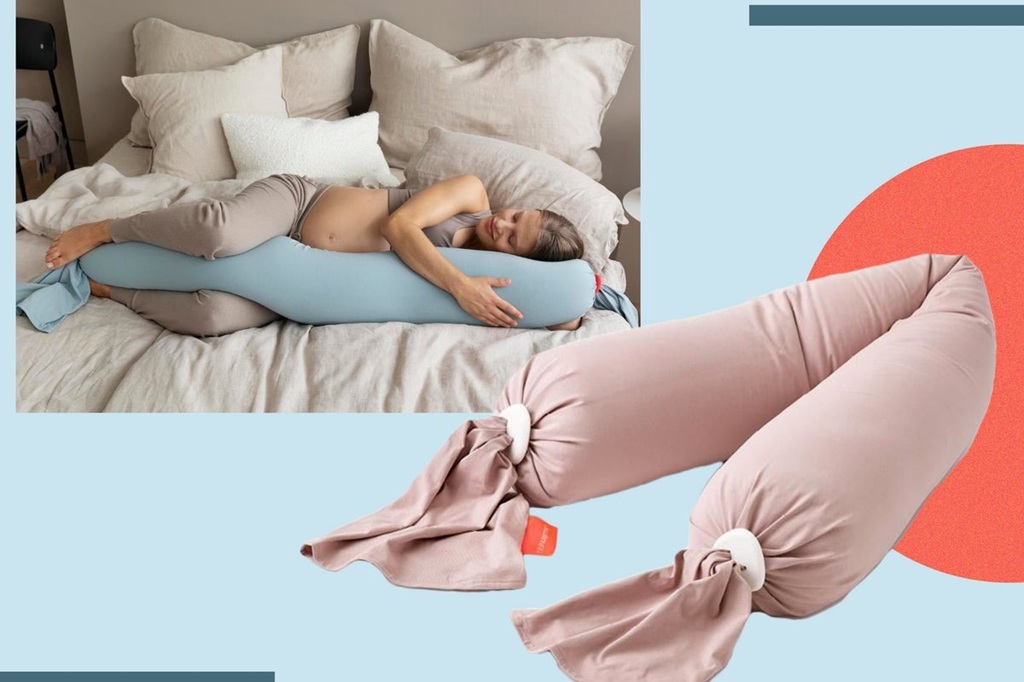
When it comes to choosing the perfect pillow, side sleepers often find themselves in a dilemma. With so many options available, two popular choices stand out: Microfiber vs. Memory Foam Pillows . Both have their unique benefits and drawbacks, making them suitable for different needs and preferences. In this article, we’ll delve into an in-depth comparison of these two types of pillows, focusing on how they cater to side sleepers. We’ll also explore reviews, frequently asked questions (FAQs), and weigh the pros and cons to help you make an informed decision.
Understanding the Basics: What Are Microfiber and Memory Foam Pillows?
Before diving into the specifics, let’s first understand what microfiber and memory foam pillows are made of and why they matter for side sleepers.
Microfiber Pillows:
Microfiber pillows are crafted from ultra-fine synthetic fibers that mimic the softness and loftiness of down feathers without triggering allergies. These pillows are lightweight, hypoallergenic, and highly breathable, making them a favorite among those who prefer plush comfort. For side sleepers, microfiber pillows provide excellent support by maintaining their shape while offering a cloud-like feel.
Memory Foam Pillows:
Memory foam pillows, on the other hand, are designed with viscoelastic foam material that molds to the contours of your head, neck, and shoulders. This adaptive feature ensures optimal spinal alignment, which is crucial for side sleepers prone to neck pain or stiffness. Memory foam pillows come in various densities and designs, including shredded foam for added adjustability.
Why Side Sleepers Need Specialized Pillows
Side sleeping is one of the most common sleeping positions, but it can put significant pressure on the neck, shoulders, and hips if not supported properly. The right pillow plays a vital role in maintaining proper posture and preventing discomfort. Here’s why side sleepers need specialized pillows:
- Spinal Alignment: A good pillow should fill the gap between your head and mattress to keep your spine straight.
- Pressure Relief: Side sleepers require pillows that relieve tension around the neck and shoulders.
- Breathability: Since side sleepers may experience heat buildup due to restricted airflow, a breathable pillow is essential.
Now, let’s compare microfiber and memory foam pillows based on key factors important for side sleepers.
Comfort and Support: How Do They Compare?
Microfiber Pillows:
Microfiber pillows excel in providing a soft, fluffy feel that many people associate with luxury. They offer moderate support, making them ideal for individuals who don’t need firm elevation. However, because microfiber tends to flatten over time, side sleepers might notice reduced support after prolonged use. To counteract this, some manufacturers design microfiber pillows with additional layers or firmer cores to enhance durability.
Memory Foam Pillows:
Memory foam pillows shine when it comes to targeted support. Their ability to conform to your body’s shape helps distribute weight evenly, reducing pressure points. For side sleepers dealing with chronic neck pain or stiffness, memory foam pillows can be a game-changer. Additionally, contouring pillows specifically designed for side sleepers often include ergonomic curves to cradle the head and neck perfectly.
Breathability and Temperature Regulation
One of the biggest concerns for side sleepers is staying cool throughout the night. Let’s see how microfiber and memory foam stack up in terms of breathability.
Microfiber Pillows:
Microfiber pillows are inherently breathable due to their airy structure. Air circulates freely through the fibers, preventing excessive heat retention. This makes them an excellent choice for hot sleepers or those living in warmer climates. Moreover, many microfiber pillows are machine washable, allowing users to maintain freshness and hygiene easily.
Memory Foam Pillows:
Traditional memory foam has a reputation for retaining heat, which can be uncomfortable for some side sleepers. However, advancements in technology have led to the development of gel-infused and open-cell memory foam pillows that improve airflow and dissipate heat more effectively. While newer models address temperature issues, traditional memory foam may still pose challenges for individuals sensitive to warmth.
Durability and Longevity
Investing in a durable pillow ensures long-term value for your money. Here’s how microfiber and memory foam compare in terms of lifespan.
Microfiber Pillows:
While microfiber pillows are affordable and comfortable, they tend to lose their loft faster than memory foam pillows. Over time, the fibers compress and clump together, requiring replacement every 12–18 months. Regular fluffing can extend their life, but eventually, they will need to be replaced.
Memory Foam Pillows:
Memory foam pillows are built to last. High-quality memory foam retains its shape and supportive properties for several years, typically lasting 3–5 years with proper care. Although they come at a higher upfront cost, their longevity justifies the investment for many side sleepers seeking consistent performance.
Price Point and Value for Money

Budget considerations play a significant role in purchasing decisions. Let’s break down the costs associated with microfiber and memory foam pillows.
Microfiber Pillows:
Microfiber pillows are budget-friendly, with prices ranging from $10 to $40 depending on brand and quality. They’re an attractive option for those looking for affordability without compromising too much on comfort. However, frequent replacements may offset initial savings over time.
Memory Foam Pillows:
Memory foam pillows generally range from $30 to $100 or more, depending on features like cooling gels, adjustable fills, and premium materials. While they represent a larger upfront expense, their extended lifespan and superior support often deliver better overall value.
Pros and Cons: At a Glance
To summarize, here’s a quick overview of the advantages and disadvantages of both pillow types for side sleepers.
Microfiber Pillows – Pros:
- Soft and plush feel
- Hypoallergenic and easy to clean
- Affordable price point
Microfiber Pillows – Cons:
- Loses loft quickly
- Limited support for chronic pain sufferers
- May require frequent replacement
Memory Foam Pillows – Pros:
- Excellent spinal alignment and pressure relief
- Durable and long-lasting
- Available in customizable options
Memory Foam Pillows – Cons:
- Can retain heat (traditional versions)
- Higher upfront cost
- Less suitable for those who dislike firm pillows
Reviews and User Feedback
Real-world feedback provides valuable insights into how well these pillows perform for side sleepers.
Microfiber Pillow Reviews:
Many users praise microfiber pillows for their softness and versatility. One reviewer noted, “I love how light and airy my microfiber pillow feels—it’s perfect for summer nights.” Others mentioned needing to replace their pillows within a year due to flattening.
Memory Foam Pillow Reviews:
Side sleepers rave about the ergonomic benefits of memory foam pillows. A satisfied customer shared, “This pillow changed my life! No more waking up with a stiff neck.” Some criticisms revolve around heat retention, though newer models seem to mitigate this issue.
Frequently Asked Questions (FAQs)
Q: Are microfiber pillows good for side sleepers?
A: Yes, microfiber pillows work well for side sleepers who prioritize softness and breathability. However, they may lack sufficient support for those with neck pain.
Q: Do memory foam pillows stay cool?
A: Traditional memory foam can trap heat, but modern innovations like gel-infused foam and open-cell designs significantly improve cooling capabilities.
Q: How often should I replace my pillow?
A: Microfiber pillows should be replaced every 1–2 years, while memory foam pillows can last 3–5 years with proper care.
Q: Can I wash memory foam pillows?
A: Most memory foam pillows cannot be fully submerged. Instead, spot cleaning or using a removable cover is recommended.
Conclusion: Making the Right Choice
Choosing between microfiber and memory foam pillows ultimately depends on your personal preferences and specific needs as a side sleeper. If you value affordability, softness, and breathability, microfiber pillows are a solid choice. On the other hand, if you prioritize durability, support, and spinal alignment, memory foam pillows are worth the investment.
By considering factors such as comfort, breathability, durability, and price, you can select the pillow that best aligns with your lifestyle and ensures restful, pain-free sleep. Whether you opt for the cloud-like embrace of microfiber or the adaptive support of memory foam, prioritizing quality sleep is always a wise decision.
Read More:
COMPARING FEATHER PILLOWS FOR SOFTNESS AND SUPPORT
ARE DOWN PILLOWS MORE COMFORTABLE? A DEEP DIVE INTO DOWN VS. SYNTHETIC