
When it comes to caring for your baby, ensuring that their sleep environment is clean and comfortable is a top priority. One essential item that often requires attention is your baby’s pillow nest. These soft, cozy spaces provide much-needed support for your little one, but like any baby gear, they need regular cleaning to maintain hygiene and comfort. In this ultimate guide, we’ll walk you through safe, simple, and stress-free steps for washing and cleaning your baby pillow nest, so you can keep it fresh and inviting for your baby while giving yourself peace of mind.
Why Cleaning Your Baby Pillow Nest Matters
Your baby’s immune system is still developing, making them highly sensitive to bacteria, allergens, and mold. A dirty baby pillow nest can harbor harmful microbes, dust mites, and foul odors. Beyond hygiene, a well-maintained pillow nest retains its shape and comfort longer, ensuring your baby continues to sleep peacefully and safely.
Step-by-Step: How to Wash and Clean a Baby Pillow Nest
Cleaning a baby pillow nest isn’t always straightforward. Depending on the design and materials, different approaches may be necessary. Follow these expert-approved steps to clean the nest effectively without damaging it:
-
Read the Manufacturer’s Label First
Before anything else, check the care instructions provided by the manufacturer. Some nests are fully machine washable, while others require hand washing or spot cleaning. Labels often specify temperature limits, drying methods, and detergent compatibility.
-
Disassemble if Possible
Many modern baby pillow nests come with removable covers or inserts. Separate them to clean each component appropriately. The outer cover can often be machine-washed, while the inner pillow may need a gentler approach.
-
Pre-Treat Stains
Use a baby-safe stain remover or a paste made from baking soda and water to pre-treat spit-up stains, milk residue, or diaper leaks. Apply it gently to the stained area and let it sit for 10–15 minutes.
-
Machine Washing (If Allowed)
If the care label permits, place the removable cover or entire nest into a mesh laundry bag to prevent wear. Use cold or lukewarm water with a fragrance-free, hypoallergenic baby detergent on a gentle cycle. Avoid bleach or fabric softeners.
-
Hand Washing Inner Cushion
If the inner pillow isn’t machine washable, submerge it in a bathtub or basin filled with lukewarm water and baby-safe detergent. Gently press and knead the fabric. Do not wring or twist—it can distort the shape.
-
Rinse Thoroughly
Whether machine or hand washing, make sure all detergent is rinsed out completely. Any residue left behind can irritate your baby’s sensitive skin.
-
Air Dry Completely
Lay the pillow nest flat on a clean towel or drying rack. Reshape it to its original form and allow it to air dry in a well-ventilated space, away from direct sunlight or heat sources. Drying may take 24–48 hours depending on the thickness of the padding.
-
Fluff and Inspect
Once dry, fluff the inner cushion to restore its softness. Check for any residual odors or dampness before reuse. You want to ensure the nest is 100% dry to avoid mold growth.
Tips to Keep Baby Pillow Nests Clean Longer
- Use a removable, washable cover or liner for easier maintenance.
- Place a burp cloth or muslin square under your baby’s head to catch drool or spit-up.
- Wash hands and face before placing your baby in the nest to minimize dirt transfer.
- Spot clean immediately after any mess occurs to prevent stains from setting in.
- Store in a clean, dry place when not in use to avoid dust buildup.
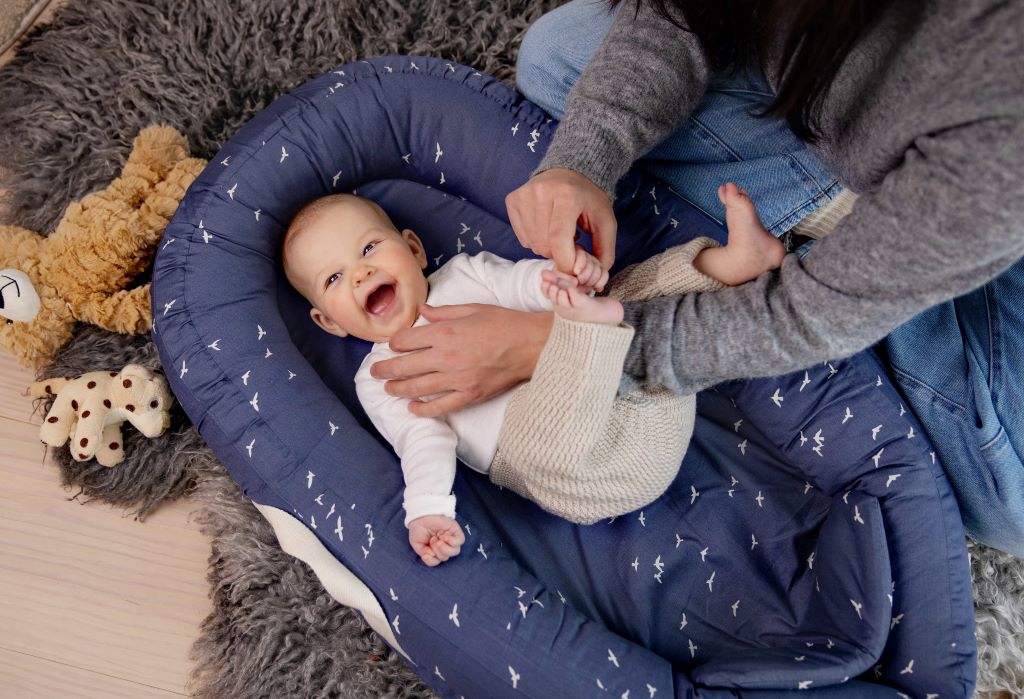
Pros and Cons of Using a Baby Pillow Nest
Pros:
- Provides comfort and security: Mimics the womb environment, aiding sleep.
- Portable: Easy to carry around the house or travel with.
- Reduces startle reflex: Helps babies sleep longer stretches.
- Great for supervised lounging: Offers a cozy place for tummy time or relaxation.
Cons:
- Cleaning challenges: Not all designs are easy to wash.
- Risk of misuse: Improper use can increase suffocation hazards if used unsupervised.
- Cost: High-quality nests can be expensive.
- Not recommended for unsupervised overnight sleep: According to AAP guidelines, soft bedding can pose a suffocation risk.
Real Parent Reviews: What Moms and Dads Say
Jessica T., New York: “I love our baby pillow nest—it’s been a lifesaver during naps. Cleaning the cover is simple, but I do wish the inside was easier to wash.”
Ryan M., Chicago: “After a diaper blowout, I had to deep clean the entire nest. Following the label and air drying worked perfectly. Took 2 days to fully dry but came out fresh.”
Elena P., Austin: “We’ve been using it for 5 months. I wash the cover every week and spot clean the inside. Still looks and feels like new.”
Sara K., Miami: “It’s convenient and comfy, but cleaning is tricky. The inner cushion takes forever to dry.”
These honest reviews reflect the key point: baby pillow nests are beloved for their comfort and convenience, but they require attentive cleaning to stay safe and usable.
Frequently Asked Questions (FAQs)
-
Can I put a baby pillow nest in the washing machine?
Only if the label says so. Many covers are machine washable, but inner cushions often need hand washing to maintain their shape and integrity.
-
How often should I wash a baby pillow nest?
Wash the cover weekly or after any spills. Deep clean the inner pillow monthly or when visibly dirty.
-
What kind of detergent should I use?
Use a mild, fragrance-free, hypoallergenic detergent specifically formulated for babies. Avoid bleach and fabric softeners.
-
Can I use a dryer to speed up drying?
It’s not recommended. High heat can damage fabric and fill material. Air drying is safer and maintains the pillow’s structure.
-
How do I remove stubborn stains or odors?
Try a mix of white vinegar and baking soda or use a baby-safe stain remover. Soak for a short period and rinse thoroughly.
-
Is it safe to use baby pillow nests for overnight sleep?
No. The AAP advises against using soft bedding for unsupervised sleep. Only use nest when you can supervise the baby.
-
How do I know when it’s time to replace the nest?
If the fabric is worn out, the cushion doesn’t spring back, or it develops persistent odors or mold, it’s time for a replacement.
Final Thoughts: Clean Nest, Happy Baby
Keeping your baby pillow nest clean isn’t just about appearance—it’s a matter of hygiene, health, and safety. By following the right techniques and cleaning routines, you’ll extend the life of the product and protect your baby from allergens and germs. Invest time in proper maintenance, and you’ll enjoy peace of mind knowing your baby is resting in a clean, cozy, and safe environment.
Read More: The Secret Life of Your Pillow: When to Say Goodbye

