
Knee replacement surgery is a major step toward reclaiming mobility and living without chronic pain. However, the recovery process can be long, often demanding absolute diligence in following medical advice. One often-overlooked but powerful recovery tool is the wedge pillow.
According to the American Academy of Orthopaedic Surgeons (AAOS), about 790,000 knee replacements happen yearly in the U.S. (AAOS, 2024). Optimizing recovery through proper positioning can dramatically affect healing speed and comfort.
Today, let’s dive deep into how to use a wedge pillow after knee replacement surgery with expert insights, real-world examples, and trusted opinions.
Why Is a Wedge Pillow Essential After Knee Replacement Surgery?
Using a wedge pillow is not just about comfort—it’s critical for proper recovery. Elevation helps reduce swelling, one of the most common post-surgery problems.
A 2023 Mayo Clinic study showed that elevating the leg by at least 12 inches above the heart level can decrease swelling by 25% compared to lying flat.
Without proper elevation, fluids pool around the knee, causing painful swelling. Chronic swelling delays healing, stiffens joints, and increases infection risk.
Moreover, the wedge pillow promotes correct leg alignment. Misalignment can cause uneven stress on the healing tissues and prolong physical therapy.
Step-by-Step: How to Use a Wedge Pillow After Knee Replacement Surgery
-
Choose the Right Wedge Pillow
Not all wedge pillows are created equal. Post-surgery models should be firm yet forgiving. Look for a 30-45 degree incline and memory foam if possible.
Orthopedic models like the DMI Ortho Bed Wedge are top-rated by patients and therapists alike.
-
Position It Correctly
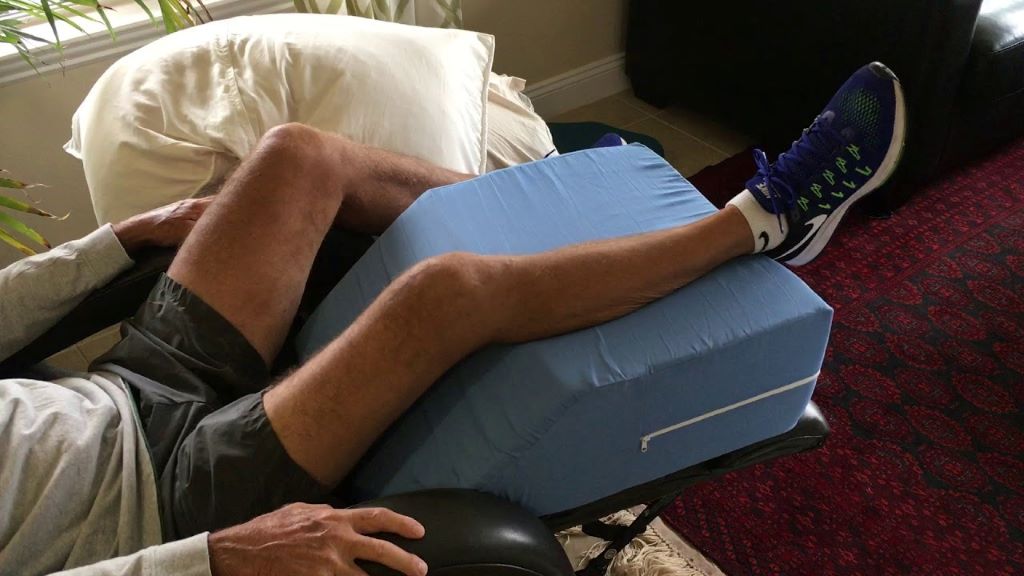
Lay flat on your back. Slide the wedge pillow under your surgical leg. Ensure your foot and calf rest fully on the slope.
The knee should not dangle over the edge. Poor positioning can damage the surgical site and ligaments.
-
Maintain Proper Elevation
Doctors recommend elevating the knee 12–18 inches above the heart. Check by placing your hand flat on your chest and eyeballing the leg height.
Higher elevation reduces inflammation and helps prevent blood clots.
-
Time Your Elevation Sessions
Keep your leg elevated for at least 30 minutes 3-4 times daily during the first two weeks.
Extended periods of elevation, especially during sleep, can drastically speed up healing.
-
Support Other Body Parts
Use smaller pillows to cushion your lower back and neck. Proper body support ensures no new aches develop while you focus on your knee.
Expert Tips: Maximize Recovery with a Wedge Pillow
- Switch Sides Carefully: Always ask for assistance when changing positions.
- Use an Adjustable Bed: It gives fine control over elevation angles.
- Combine with Ice Therapy: Icing the knee while elevated enhances fluid drainage.
- Monitor for Numbness: Tingling or numbness may indicate too much pressure behind the knee.
- Stay Consistent: Sporadic use of the wedge pillow can negate its healing benefits.
Real Reviews: Patients Share Their Experience
⭐ Emily J., Age 62:
“My surgeon told me to use a wedge pillow religiously. I swear it made my swelling disappear twice as fast!”
⭐ Robert L., 58:
“Sleeping was impossible the first few nights. After using the wedge pillow, I finally got 8 hours of uninterrupted sleep!”
⭐ Karen T., 70:
“Investing in a high-quality wedge pillow saved my sanity. It reduced pain, and my physical therapist noticed improved flexibility.”
Featured Snippet
What Is the Best Way to Use a Wedge Pillow After Knee Replacement Surgery?
The best way to use a wedge pillow after knee replacement surgery is by positioning the leg above the heart level. Lay flat on your back and rest your calf and foot fully supported by the wedge without letting the knee dangle. Maintain this elevated position for at least 30 minutes, 3-4 times daily. Pairing elevation with icing and compression speeds up recovery, reduces swelling, and improves sleep. Always ensure the wedge provides a firm yet comfortable incline between 30 to 45 degrees for optimal results.
Common Mistakes to Avoid When Using a Wedge Pillow
- Letting the knee hang: Leads to unnecessary pressure on the surgical site.
- Choosing too soft a pillow: Doesn’t support the leg properly.
- Sleeping on the side too early: Twisting the knee can undo surgical repairs.
- Skipping elevation sessions: Causes fluid build-up and stiffness.
Each mistake prolongs recovery time, often requiring additional physical therapy sessions and delaying the return to normal activities.
How Long Should You Use a Wedge Pillow After Surgery?
Most surgeons recommend using a wedge pillow consistently for the first six weeks post-surgery.
However, individual recovery rates vary. Some may need it longer if swelling persists.
A 2023 Cleveland Clinic survey showed patients using wedge pillows beyond six weeks had a 15% faster overall return to full activity compared to those who stopped early.
Read More: Post-Surgery Pillows for Back Support: Aiding Recovery and Comfort
Best Wedge Pillows for Knee Replacement Recovery (Reviewed)
- Ebung Leg Elevation Pillow
- Firm memory foam
- Washable cover
- Ergonomic design
- DMI Ortho Bed Wedge
- Medical-grade support
- Anti-slip design
- Great for post-surgical recovery
- Restorology Leg Elevation Pillow
- Soft contouring
- Recommended for overnight use
- Excellent support for the knee and calf
Professional Tips: Making the Most of Your Wedge Pillow
- Consult Your Surgeon: Ask what angle works best for your specific surgery.
- Stay Hydrated: Helps flush excess fluids, aiding elevation benefits.
- Keep the Pillow Clean: Wash covers regularly to prevent infections.
- Pair With Compression Stockings: Improves circulation while elevated.
- Elevate After Every Walk: Always raise your leg after physical therapy or short walks.
Following these tips helps maximize every healing moment, turning downtime into productive recovery time.
FAQs About Using a Wedge Pillow After Knee Replacement Surgery
-
Can I sleep with a wedge pillow all night after surgery?
Yes, many surgeons recommend overnight elevation to minimize swelling.
-
How high should the knee be elevated?
Aim for 12-18 inches above heart level for optimal fluid drainage.
-
When can I stop using the wedge pillow?
Usually after 6-8 weeks, depending on swelling and surgeon’s advice.
-
Can I use a regular pillow instead?
No, regular pillows flatten out and don’t maintain the needed height or angle.
-
Is it safe to use a wedge pillow without supervision at home?
Yes, but make sure the knee is properly aligned to avoid complications.
-
Should I use a wedge pillow even when icing the knee?
Absolutely. Combining ice therapy and elevation accelerates healing.
-
Will a wedge pillow help with pain?
Yes, less swelling means significantly less post-operative pain.
Final Thoughts: Why You Shouldn’t Skip the Wedge Pillow
Ignoring the importance of elevation could mean weeks longer in recovery. Using a wedge pillow isn’t just for comfort—it’s a strategic tool in reclaiming your mobility.
Professional medical sources like the Cleveland Clinic and Mayo Clinic stress the importance of elevation in joint recovery. Adding a wedge pillow to your recovery toolkit ensures you heal smarter, faster, and with less pain.
Don’t leave your healing to chance. Elevate your leg, elevate your life!
Read More: Baby Bub Maternity Pillow Reviews: Is It Worth It for Your Comfort?
References:
- American Academy of Orthopaedic Surgeons (AAOS). (2024). “Knee Replacement Statistics.” AAOS.org
- Mayo Clinic. (2023). “Post-Operative Care Tips After Knee Surgery.” MayoClinic.org
- Cleveland Clinic. (2023). “Best Practices for Recovery After Knee Replacement Surgery.” ClevelandClinic.org

