
Fur pillows safely without damaging , whether genuine or faux, bring an undeniable touch of luxury, warmth, and texture to any living space. Sinking into that plush softness after a long day is pure bliss. But like any well-loved home accessory, they eventually need cleaning. The challenge? Doing so without turning that fabulous fur into a matted, stiff mess. Losing that signature softness defeats the whole purpose!
Cleaning fur requires a gentle touch and specific know-how. The methods differ significantly depending on whether you’re dealing with real animal fur or synthetic faux fur. Getting it wrong can lead to irreversible damage, stiffness, or matting. But don’t worry, with the right approach, you can keep your cozy companions looking and feeling their best. This guide will walk you through the steps for cleaning both faux and real fur pillows safely without damaging , focusing on techniques that preserve their luxurious softness.
Before you begin any cleaning process, the absolute first step is crucial: Check the care label! Manufacturers provide specific instructions based on the materials used. If your fur pillows safely without damaging , has a removable cover, always remove the insert before cleaning the cover. Snapping a quick photo of the care label before cutting it off is a great tip to ensure you always have the instructions handy.
Cleaning Faux Fur Pillows: Restoring the Plush
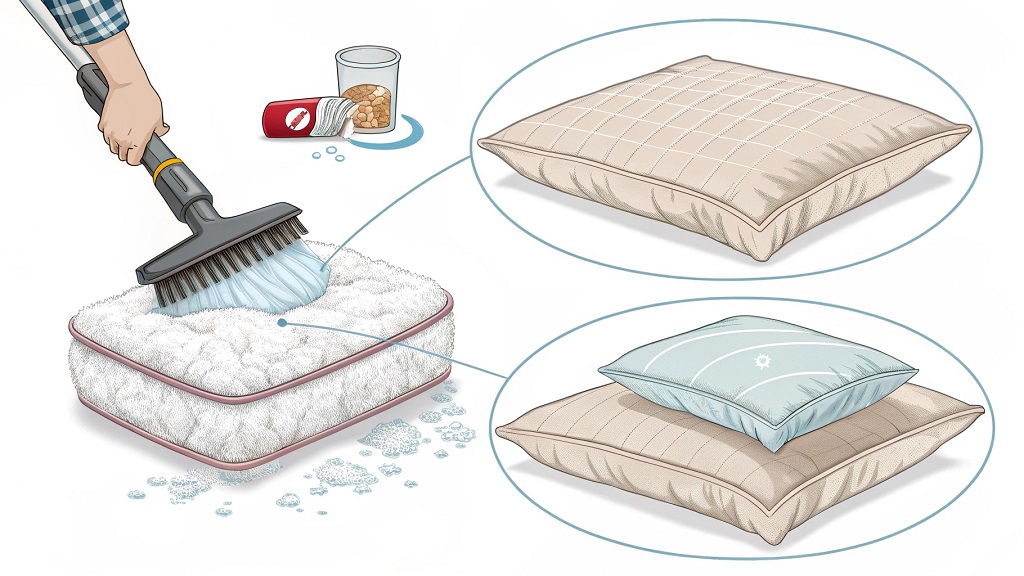
Faux fur has come a long way, often mimicking the look and feel of real fur remarkably well. Thankfully, it’s generally more resilient and easier to clean at home than its genuine counterpart. However, it still needs careful handling to stay soft and fluffy.
Spot Cleaning for Minor Spills:
Accidents happen! If you have a small spill or localized dirty spot, spot cleaning is often sufficient and the gentlest method.
- Act Quickly: Blot up any liquid spills immediately with a clean, dry cloth or paper towel. Avoid rubbing, as this can push the stain deeper and damage the fibers.
- Prepare Solution: Mix a tiny amount of mild, bleach-free liquid detergent (like a gentle wool wash or even a drop of Castile soap) with cold water. Avoid harsh detergents, bleach, or fabric softeners, as these can damage the synthetic fibers and leave residue.
- Dab Gently: Dampen a clean white cloth with the soapy solution. Gently dab or blot the stained area. Work from the outside of the stain inward to prevent spreading. You can also gently rub the soiled fur fibers together between your fingers.
- Rinse: Dampen a separate clean cloth with plain cold water and blot the area again to remove any soap residue. Residue can make the fur feel stiff once dry.
- Air Dry: Let the spot air dry completely, away from direct heat or sunlight. You can gently fluff the area with your fingers as it dries.
Hand Washing Faux Fur Covers (Recommended Method):
If the care label permits, or if spot cleaning isn’t enough, hand washing is the safest way to deep clean a fur pillows safely without damaging .
- Prepare: Remove the pillow insert. Fill a clean basin, sink, or bathtub with cold water. Hot water can damage or even melt the synthetic fibers.
- Add Detergent: Add a small amount of mild, liquid detergent suitable for delicates or woolens. Swish the water to distribute the soap.
- Wash Gently: Submerge the faux fur cover completely. Gently swish it around in the water. Avoid vigorous scrubbing, twisting, or wringing, which can cause matting and stretching. You can gently squeeze the suds through the fabric. Let it soak for up to 30 minutes for deeper cleaning.
- Rinse Thoroughly: Drain the soapy water. Refill the basin with clean, cold water and rinse the cover, gently squeezing until all soap residue is gone. You might need to rinse multiple times. Using a strainer over the drain can help catch loose microfibers.
- Remove Excess Water: Gently squeeze out as much water as possible. Do not wring! Wringing damages the fibers and structure. You can also press the cover between clean, thick towels to absorb more water.
Machine Washing (Use with Caution):
Some faux fur pillow covers are machine washable if the care label explicitly states so. However, it’s riskier than hand fur pillows safely without damaging .
- Preparation: Place the cover inside a mesh laundry bag to protect it from snagging and excessive agitation.
- Settings: Use the delicate or gentle cycle on your washing machine with cold water only. Select a low spin speed.
- Detergent: Use only a small amount of mild, liquid detergent.
- Load Balance: Wash the cover alone or with other similar faux fur items to maintain balance, especially in top-loading machines. If washing a single item, adding a couple of towels can help.
- Remove Promptly: Take the cover out immediately after the cycle finishes to prevent creases.
Drying and Fluffing Faux Fur:
This is perhaps the most critical stage for maintaining softness!
- NEVER Use High Heat: Never put faux fur in a machine dryer on a heat setting. Heat will melt, shrink, and permanently damage the delicate fibers, leading to matting.
- Air Dry: The best method is air drying. Lay the cover flat on a clean, dry towel on a drying rack, or hang it over a shower rod or non-rusting hanger. Keep it away from direct sunlight and heat sources (like radiators). Good air circulation is key. Larger items might take a day or two to dry fully.
- Fluff While Damp: While the fur is still damp, gently brush it with a soft-bristled brush or a wide-toothed comb. Always brush in the direction of the fur. This helps prevent matting and encourages the fibers to dry in their natural shape. A pet brush with soft bristles can also work well.
- Fluff When Dry: Once completely dry, give it another gentle brushing to restore its full fluffiness and loft. Shaking it out gently can also help. If it looks a bit flat, sometimes a hairdryer on the cool setting, held several inches away, combined with brushing, can help revive the fluff.
Cleaning Real Fur Pillows: Handle with Extra Care
Real fur fur pillows safely without damaging are the pinnacle of luxury but require significantly more delicate handling. The natural hairs are attached to a skin (pelt), which can dry out, crack, or become damaged by improper cleaning methods, especially water and heat.
Professional Cleaning Recommended:
For anything beyond minor spot cleaning or general freshening, taking your real fur pillow or cover to a professional fur cleaner (a “furrier”) is highly recommended. They have the specialized knowledge, solvents, and equipment to clean fur safely without damaging the pelt or the hairs. This is the safest way to ensure longevity and maintain softness.
Spot Cleaning (Minor, Fresh Spills):
If you have a very small, fresh spill:
- Blot Immediately: Use a clean, dry cloth to blot up as much liquid as possible. Don’t rub.
- Use Water Only (Sparingly): Dampen a clean cloth very lightly with cold water. Gently blot the affected area. Avoid saturating the fur or the underlying pelt.
- Avoid Soaps/Detergents: Do not use regular soaps or detergents. These can strip the natural oils from the fur and damage the pelt. If water alone doesn’t work, consult a professional furrier before attempting anything else. Specialized fur cleaning solutions exist but should be used with extreme caution and according to specific instructions for your fur type.
- Blot Dry: Use a clean, dry cloth to blot the area and absorb excess moisture.
- Air Dry Completely: Let the pillow air dry completely in a cool, well-ventilated area, away from any heat source or direct sunlight.
Freshening and Light Cleaning at Home:
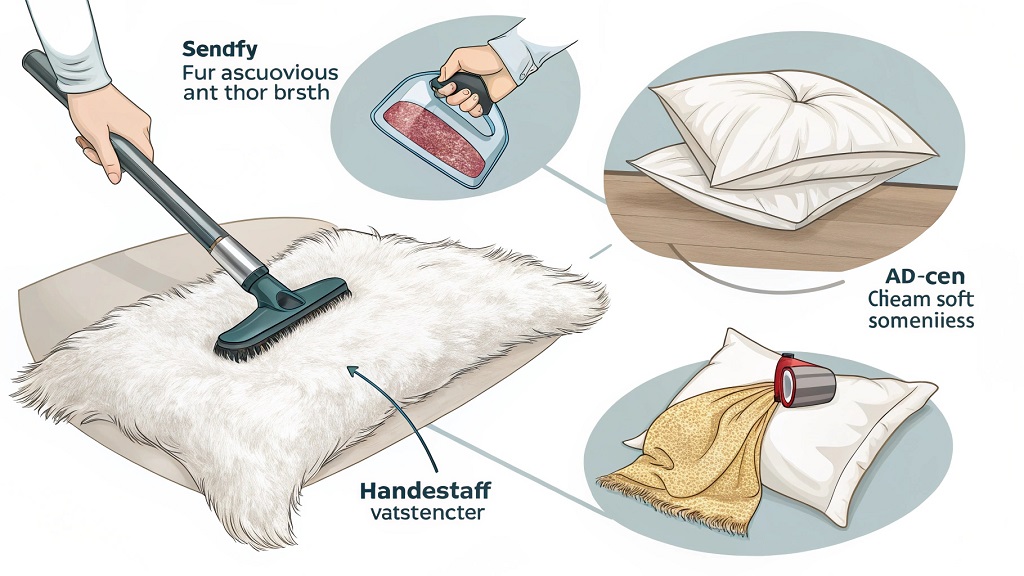
For dust removal or general freshening between professional cleanings:
- Shaking: Take the pillow outside and give it a good shake to dislodge dust and loose debris.
- Vacuuming (Extreme Caution): You can very gently vacuum the fur using the upholstery attachment on the lowest suction setting. Always vacuum in the direction of the fur growth. Do not press down hard. This is mainly for dust removal.
- Brushing: Regular, gentle brushing is key to maintaining real fur. Use a specialized fur brush with widely spaced, smooth pins or natural bristles. Brush gently in the direction of the fur to remove dust, smooth the hairs, and prevent minor tangles from becoming mats.
- “Dry” Cleaning (Use with Caution & Research): Some traditional methods involve using absorbent powders like cornmeal or sawdust (ensure it’s clean and appropriate for fur). Sprinkle the powder lightly, gently work it through the fur with your hands, leave it for a few hours or as recommended for the specific fur type, and then shake it out thoroughly. Follow up with gentle brushing or very careful vacuuming. This method is primarily for absorbing oils and odors, not heavy soil, and should be researched carefully for your specific type of fur. Incorrect application can leave residue or damage the fur.
Drying Real Fur:
Absolutely critical: NEVER apply heat to real fur. Do not use a hairdryer (even on cool, the airflow can be too harsh), tumble dryer, or place near radiators or in direct sunlight. Heat will irreversibly damage the pelt, causing it to shrink, stiffen, and crack, leading the fur to fall out. Always air dry completely in a cool, shady, well-ventilated spot.
Maintaining That Luxurious Softness After Cleaning
You’ve successfully cleaned your pillow – now keep it soft!
- Proper Drying is Key: As emphasized, always air dry fur pillows (both real and faux) away from heat and direct sun. This prevents fiber damage and stiffness.
- Gentle Brushing: Once completely dry, gentle brushing is essential. Use a soft-bristled brush or wide-toothed comb for faux fur, and a specialized furrier brush for real fur. Brush gently in the direction of the fur growth to detangle fibers, restore loft, and enhance softness.
- Avoid Harsh Chemicals: Never use bleach, harsh detergents, or fabric softeners. These strip natural oils (in real fur) or damage synthetic fibers (in faux fur), leading to stiffness and reduced lifespan.
- Regular Maintenance: Shake out pillows regularly to remove dust. Gentle brushing (weekly or bi-weekly) helps prevent matting and keeps the fur looking its best. Vacuuming (gently, with upholstery attachment) can also help between washes, especially for faux fur.
- Proper Storage: If storing fur pillows, keep them in a cool, dry, dark place. A breathable cotton bag can protect them from dust, but avoid plastic bags, which trap moisture.
Read More Also: Can You Dry Memory Foam Pillows? The Right Way to Do It
People Also Ask (FAQs)
Q1: Can I put my fur pillow in the washing machine?
- Faux Fur: Maybe. Check the care label FIRST. If it allows machine washing, use a mesh bag, cold water, gentle cycle, low spin, and mild detergent. Hand washing is generally safer.
- Real Fur: No. Machine washing will likely destroy a real fur pillow by damaging the pelt and fur. Professional cleaning is strongly advised.
Time for a Pillow Refresh? How Often Experts Say You Should Change Yours
Q2: How do I make my faux fur pillow fluffy again after washing?
Air dry it completely away from heat. While damp and again when dry, gently brush the fur with a soft-bristled brush or wide-toothed comb in the direction of the fur. Shaking it out also helps. You can try a hairdryer on a cool setting, held at a distance, while brushing.
Q3: Can I use fabric softener on a fur pillow?
No. Fabric softener coats the fibers (both real and faux), which can lead to buildup, reduce softness over time, and potentially damage the material. Avoid it completely. Adding a tablespoon of hair conditioner to the final rinse water during handwashing faux fur is sometimes suggested to improve softness, but rinse thoroughly afterward.
Q4: How often should I clean my fur pillow?
Spot clean spills immediately. For deeper cleaning:
- Faux Fur: Depending on usage, hand or machine wash (if label allows) every few months or when visibly dirty or odorous. Regular vacuuming/brushing reduces the need for frequent washing.
- Real Fur: Professional cleaning is recommended annually or bi-annually, depending on use and exposure to dirt/odors. Gentle brushing and shaking should be done more regularly.
Q5: What’s the best way to remove a stain from a real fur pillow?
For minor, fresh stains, immediately blot with a dry cloth, then very lightly dab with a cloth dampened only with cold water. For anything else, professional cleaning by a furrier is the safest and most effective method to avoid damaging the pelt and fur. Avoid home remedies with detergents or chemicals.
Read More Also: Freshen Up Your Sleep: A Step-by-Step Guide to Safely Bleaching Your Pillows
Conclusion: Cherish the Softness with Proper Care
Cleaning fur pillows, whether luxurious real fur or cozy faux fur, doesn’t have to be intimidating. The key lies in understanding the material and treating it with the gentle care it deserves. Always prioritize the care label instructions. Opt for spot cleaning when possible, choose hand washing with cold water and mild detergent for faux fur, and seriously consider professional cleaning for valuable real fur items.
Proper drying – always air drying away from heat – and gentle brushing are crucial steps for preventing matting and restoring that wonderful softness. By investing a little time in correct cleaning and maintenance, you can ensure your beloved fur pillows remain plush, inviting, and a source of comfort and style in your home for years to come.

