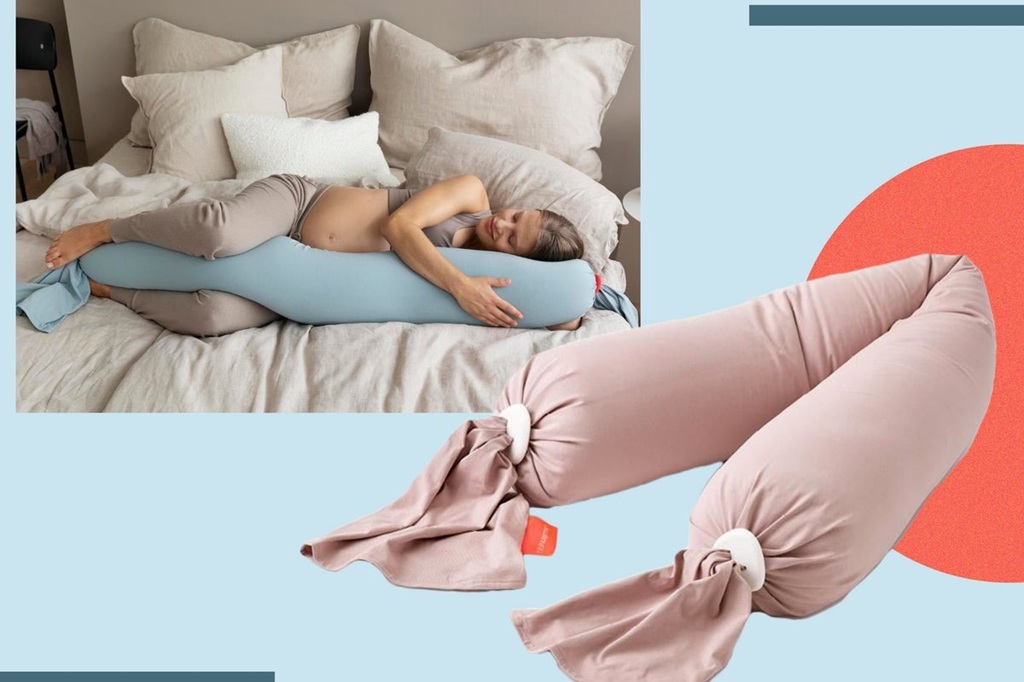
In an era where sustainability is no longer optional but essential, the bedding industry has risen to meet consumer demands for eco-friendly products. Among these innovations are pillows crafted from recycled materials—offering not just comfort but also peace of mind for environmentally conscious sleepers. These pillows represent more than just a trend; they symbolize a shift toward responsible consumption and waste reduction. As we delve into this topic, we’ll explore how these innovative sleep solutions work, their impact on businesses through social media, detailed reviews, comparisons, pros and cons, FAQs, and why they’re becoming indispensable in modern homes.
The Growing Demand for Sustainable Bedding
The global push for sustainability has led consumers to rethink every aspect of their lives, including what they rest their heads on at night. Traditional pillows often rely on synthetic fibers or virgin polyester derived from petroleum-based processes that contribute significantly to environmental degradation. In contrast, pillows made from recycled materials utilize post-consumer plastics, fabric scraps, and even repurposed foam to create soft, supportive, and durable alternatives. This approach reduces landfill waste while conserving natural resources—a win-win for both people and the planet.
Consumers today are increasingly aware of their carbon footprint and seek out brands that align with their values. According to recent studies, over 60% of shoppers prefer sustainable products when given the choice. This growing demand has spurred companies to innovate, resulting in high-quality pillows that combine functionality with ethical production practices. From bamboo blends to shredded plastic bottles transformed into plush fillings, the options are as diverse as they are impactful.
Social Media’s Role in Promoting Eco-Friendly Pillows
Social media platforms like Instagram, TikTok, and Pinterest have become powerful tools for spreading awareness about sustainable living—and pillows made from recycled materials are no exception. Brands leverage visually appealing content showcasing the lifecycle of these products, from raw material sourcing to final design. Influencers play a pivotal role by sharing personal testimonials, unboxing videos, and tutorials on incorporating eco-friendly items into daily life.
For businesses, social media offers unparalleled reach and engagement opportunities. A single viral post can catapult a small brand into the spotlight, driving sales and fostering community loyalty. However, it’s not without its challenges. Negative feedback spreads quickly online, making transparency and authenticity crucial for maintaining trust. Additionally, standing out amidst the noise requires creativity and consistency in messaging.
Despite these hurdles, the benefits far outweigh the drawbacks. Social proof generated through user-generated content (UGC) builds credibility, while targeted ads allow brands to connect directly with their ideal audience. For eco-friendly pillow manufacturers, social media isn’t just a marketing channel—it’s a lifeline to success in a competitive market.

Pillow Reviews and Comparisons
When choosing a pillow made from recycled materials, understanding the nuances between different models is key to finding the perfect fit. Here’s a breakdown of some popular options currently dominating the market:
-
BottleFill™ Memory Foam Pillow
- Material : Crafted from shredded memory foam sourced from discarded mattresses combined with fibers made from recycled plastic bottles.
- Comfort Level : Medium-firm support ideal for side and back sleepers.
- Pros : Hypoallergenic, breathable cover, excellent neck support.
- Cons : May retain heat slightly compared to other eco-friendly options.
-
EcoPlush Bamboo Blend Pillow
- Material : Filled with a mix of bamboo fibers and recycled polyester stuffing.
- Comfort Level : Soft yet supportive, suitable for stomach sleepers.
- Pros : Naturally antimicrobial, moisture-wicking properties, machine washable.
- Cons : Less firmness may not appeal to those who need extra support.
-
ReCycleRest™ Shredded Latex Pillow
- Material : Made using reclaimed latex from old rubber products mixed with organic cotton casing.
- Comfort Level : Adjustable loft for customizable height preferences.
- Pros : Durable, hypoallergenic, promotes airflow.
- Cons : Higher price point due to premium materials.
Each option caters to specific needs, whether you prioritize cooling technology, adjustability, or affordability. Reading customer reviews provides additional insights into real-world performance. For instance, many users praise the BottleFill™ for its durability but note that adding a cooling pillowcase enhances comfort during warmer months. Meanwhile, the EcoPlush earns accolades for its silky texture but receives mixed feedback regarding longevity.
Pros and Cons of Recycled Material Pillows
Like any product, pillows made from recycled materials come with advantages and disadvantages worth considering before making a purchase.
Pros:
- Environmental Impact : By utilizing waste materials, these pillows help reduce pollution and conserve energy.
- Quality and Comfort : Many brands invest heavily in research and development to ensure their products rival traditional counterparts in terms of comfort and durability.
- Health Benefits : Natural fibers like bamboo and organic cotton are hypoallergenic and resistant to dust mites, making them ideal for allergy sufferers.
- Ethical Production : Supporting companies committed to sustainability fosters positive change across industries.
Cons:
- Cost : While prices vary, eco-friendly pillows tend to be pricier upfront due to higher manufacturing costs.
- Limited Availability : Depending on your location, access to certain brands may be restricted.
- Maintenance Requirements : Some require special care instructions, such as hand washing or air drying, which might inconvenience busy individuals.
Understanding these factors helps set realistic expectations and ensures you select a pillow that aligns with your priorities.
Frequently Asked Questions (FAQs)
To address common queries surrounding recycled material pillows, here are answers to frequently asked questions:
Q: Are pillows made from recycled materials safe?
A: Yes! Most reputable brands adhere to strict safety standards, ensuring their products are free from harmful chemicals and toxins.
Q: Do they feel different from regular pillows?
A: Not necessarily. Advances in technology mean many eco-friendly pillows mimic the feel of conventional ones while offering added benefits like breathability and temperature regulation.
Q: Can I find affordable options?
A: Absolutely. While some luxury models carry a higher price tag, budget-friendly alternatives exist, especially if you shop during sales or promotions.
Q: How long do they last?
A: With proper care, most recycled material pillows boast lifespans comparable to—if not longer than—their non-sustainable counterparts.
By addressing these concerns, potential buyers gain confidence in transitioning to greener sleep solutions.
Conclusion
Pillows made from recycled materials represent a harmonious blend of innovation, sustainability, and comfort. They cater to the growing number of consumers seeking ways to minimize their ecological footprint without compromising quality. Through strategic use of social media, businesses amplify their message, connecting with audiences eager to embrace eco-friendly lifestyles. Detailed reviews and comparisons empower shoppers to make informed decisions tailored to their unique needs. Despite minor drawbacks, the overall benefits underscore why these pillows are reshaping the future of sleep.
Whether you’re motivated by environmental stewardship, health considerations, or simply curiosity, exploring this category opens doors to meaningful choices. So next time you shop for bedding, consider giving recycled material pillows a try—you might just discover your new favorite way to dream green.
Read More: Baby Bub Maternity Pillow Reviews: Is It Worth It for Your Comfort?