In today’s fast-paced world, quality sleep is often sacrificed at the altar of productivity. Yet, poor sleep can lead to a host of health issues, including chronic neck pain. One critical factor in achieving restorative sleep is choosing the right pillow. Among the myriad options available, feather pillows have long been a popular choice due to their softness and adaptability. But are feather pillows good for neck pain? This question has sparked debate among sleep experts, chiropractors, and consumers alike. In this article, we’ll delve into the pros and cons of feather pillows, explore their impact on neck pain, compare them with other types of pillows, and provide real user reviews to help you make an informed decision.
The Science Behind Neck Pain and Pillow Support
Neck pain is a common complaint, affecting millions of people worldwide. It often stems from poor posture, stress, or inadequate support during sleep. The cervical spine, which supports the head, requires proper alignment to prevent strain. A pillow that fails to maintain this alignment can exacerbate existing pain or even cause new discomfort.
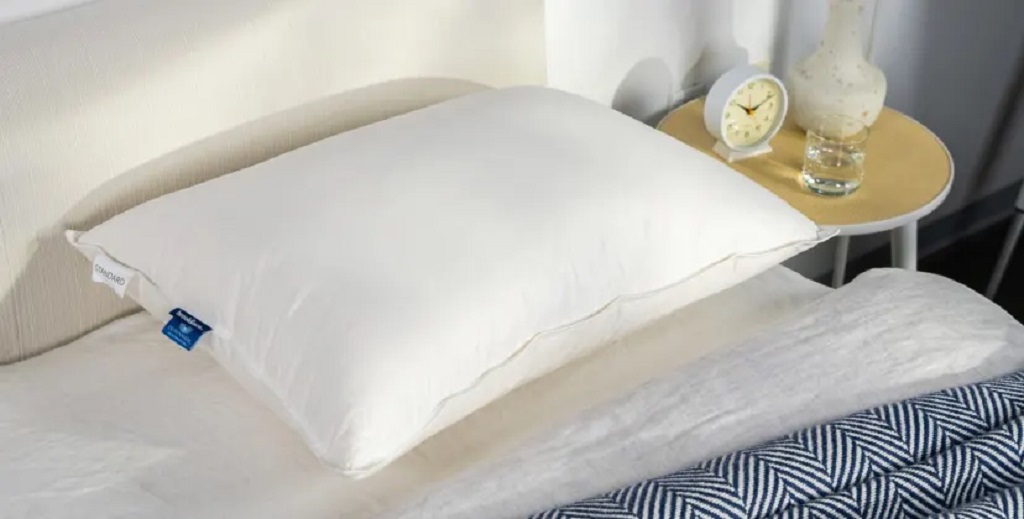
Feather pillows, typically filled with down or a combination of feathers and down, are known for their plush texture and moldable nature. They conform to the shape of your head and neck, potentially offering customized support. However, not all feather pillows are created equal. Factors such as fill quality, firmness, and construction play a significant role in determining whether they alleviate or aggravate neck pain.
Pros of Feather Pillows for Neck Pain
- Moldability : Feather pillows excel in their ability to mold to the contours of your head and neck. This adaptability can help maintain the natural curve of the cervical spine, reducing pressure points and promoting better alignment.
- Softness and Comfort : For those who prefer a softer sleeping surface, feather pillows offer unparalleled comfort. Their luxurious feel can enhance relaxation, making it easier to fall asleep and stay asleep.
- Breathability : High-quality feather pillows are naturally breathable, allowing air to circulate and preventing overheating—a common issue with synthetic pillows. A cooler sleep environment can contribute to deeper, more restorative rest.
- Durability : When properly cared for, feather pillows can last for years. Their resilience makes them a cost-effective option for individuals seeking long-term solutions for neck pain.
- Eco-Friendly Option : Many feather pillows are made from natural materials, making them a sustainable choice compared to synthetic alternatives.
Cons of Feather Pills for Neck Pain
- Lack of Firm Support : While feather pillows are soft and moldable, they may not provide enough firmness for individuals who require substantial neck support. Side sleepers, in particular, might find them insufficient.
- Allergies : Feather pillows can trigger allergies in some individuals. Dust mites and allergens can accumulate in the feathers, leading to respiratory issues or skin irritation.
- Maintenance Requirements : Feather pillows need regular fluffing to retain their shape and loft. Without proper care, they can flatten over time, losing their supportive properties.
- Odor Issues : Some feather pillows may emit a faint odor when new, which can be off-putting for sensitive users. Proper airing and washing can mitigate this issue, but it adds to the maintenance burden.
- Ethical Concerns : The sourcing of feathers raises ethical questions for some consumers. If animal welfare is a priority, opting for certified cruelty-free products becomes essential.
Comparing Feather Pillows to Other Pillow Types
To determine whether feather pillows are suitable for neck pain, it’s helpful to compare them with other popular pillow types:
- Memory Foam Pillows : Memory foam pillows are renowned for their ability to cradle the head and neck, providing excellent support. Unlike feather pillows, they maintain their shape without frequent fluffing. However, memory foam can trap heat, making it less ideal for hot sleepers.
- Latex Pillows : Natural latex pillows offer a balance of support and comfort. They are hypoallergenic, durable, and breathable, making them a strong contender for individuals with neck pain. However, they tend to be firmer than feather pillows, which may not appeal to everyone.
- Buckwheat Pillows : Buckwheat pillows consist of small hulls that shift to accommodate your head and neck. They provide firm support and excellent airflow but can feel noisy and uncomfortable for first-time users.
- Synthetic Fiber Pillows : Affordable and widely available, synthetic fiber pillows mimic the softness of feather pillows without the allergy concerns. However, they lack the moldability and longevity of high-quality feather pillows.
Each type of pillow caters to different needs and preferences. Ultimately, the best choice depends on your sleeping position, personal comfort preferences, and specific health requirements.
Real User Reviews: What People Are Saying
To gain further insight into the effectiveness of feather pillows for neck pain, let’s examine some real user reviews:
- Positive Review : “I’ve struggled with neck pain for years, and switching to a high-quality feather pillow made a world of difference. It molds perfectly to my neck, and I wake up feeling refreshed instead of sore.”
- Negative Review : “While the pillow felt great initially, it flattened within weeks. My neck pain worsened because there was no support left. I had to switch to a firmer option.”
- Mixed Review : “I love how soft and cozy the pillow is, but I do have to fluff it constantly. It’s comfortable for back sleeping, but not so much for side sleeping.”
These reviews highlight the variability in experiences with feather pillows. Success often hinges on selecting a high-quality product and using it appropriately based on your sleep habits.
FAQs About Feather Pillows and Neck Pain
Q1: Can feather pillows cause neck pain?
A1: Yes, if the pillow lacks sufficient support or flattens over time, it can contribute to neck pain. Choosing a high-loft feather pillow designed for your sleeping position can minimize this risk.
Q2: Are feather pillows suitable for side sleepers?
A2: Feather pillows may not provide enough firmness for side sleepers, who generally require higher loft and more robust support. A hybrid pillow combining feathers and firmer materials might be a better option.
Q3: How do I care for a feather pillow to ensure it lasts?
A3: Regularly fluff your pillow to redistribute the filling. Wash it every few months according to the manufacturer’s instructions, and use a protective cover to extend its lifespan.
Q4: Do feather pillows attract dust mites?
A4: Yes, feather pillows can harbor dust mites if not cleaned regularly. Using a hypoallergenic cover and washing the pillow periodically can reduce allergen buildup.
Q5: What should I look for when buying a feather pillow for neck pain?
A5: Look for a pillow with high-quality down or a blend of feathers and down, adequate loft for your sleeping position, and certifications indicating ethical sourcing and hypoallergenic properties.
Conclusion: Weighing the Benefits and Drawbacks
Feather pillows offer a unique combination of softness, moldability, and breathability, making them a tempting choice for those seeking relief from neck pain. However, their suitability largely depends on individual preferences and needs. For back sleepers who value plush comfort, feather pillows may be ideal. On the other hand, side sleepers or individuals requiring firm support might benefit more from memory foam or latex options.
Before investing in a feather pillow, consider factors like fill quality, loft, and maintenance requirements. Reading reviews and consulting with healthcare professionals can also guide your decision. Remember, the key to alleviating neck pain lies in finding a pillow that aligns with your body’s natural curves and supports your unique sleep style.
By understanding the pros and cons of feather pillows and comparing them to other types, you can make an informed choice that promotes restful sleep and reduces neck discomfort. After all, a good night’s rest is one of the simplest yet most powerful tools for maintaining overall well-being.